
Top 10 Plants for an Elegant, High-End Garden

Creating an elegant outdoor retreat begins with understanding how plant choices shape your experience. You might imagine a manicured lawn with clipped hedges, but the most memorable estate gardens balance structure with natural flow. Rather than focus on one showy element, think about how foliage, blooms, and fragrance weave together. This article shares plants that work beautifully in a high-end garden while still supporting soil health and local wildlife. You will learn why certain trees and shrubs bring year‑round interest and how ground covers soften hard edges. With these insights, you can build a space that reflects your personal style and honors luxury sustainable gardens without sacrificing comfort. It also explains how to use luxury garden plants responsibly, so your choices are beautiful and practical.
Boxwood (Buxus Sempervirens)
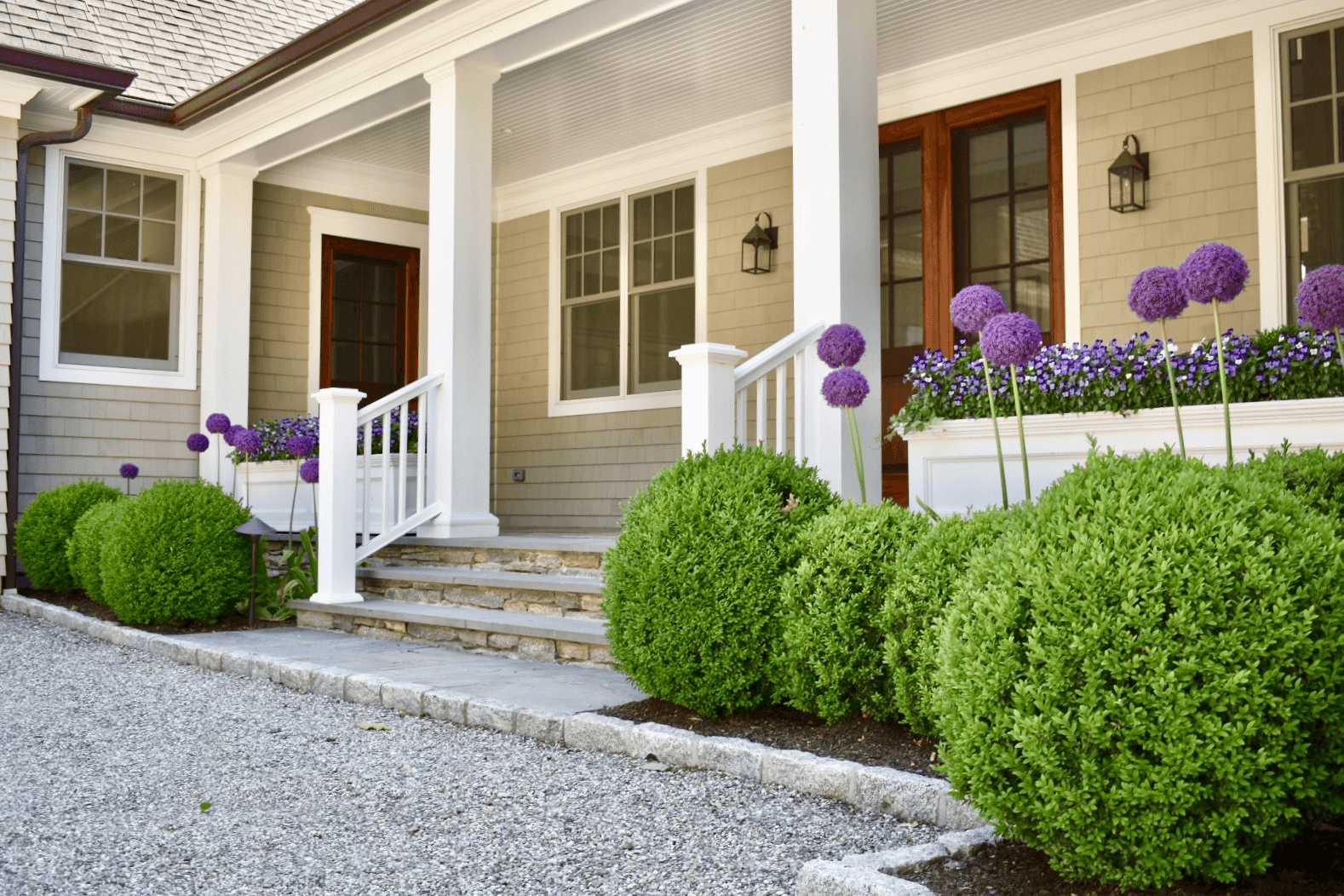
Dense evergreen boxwoods give your high‑end garden the structure it deserves. Their small, glossy leaves respond well to pruning, allowing you to create crisp hedges, geometric shapes, or graceful curves. This versatility is why designers reach for boxwood when they want a living framework that holds its form through seasons.
You will appreciate how boxwood’s deep green color anchors bright plantings and adds calm to ornamental displays. It works well along paths and around garden rooms, softening stone or brick while reinforcing lines. Because it grows slowly, it requires less trimming and water than many shrubs, making it a sensible choice for luxury sustainable gardens.
Hydrangea (Hydrangea Macrophylla)

Hydrangeas are among the most popular luxury garden plants because their large flower heads provide a dramatic impact.
You can choose varieties that bloom in shades of blue, pink, white, or green, creating your own palette for seasonal color planting. These shrubs enjoy part shade and moist, rich soil, making them ideal for borders or foundation plantings. When the weather cools, dried blossoms remain attractive, giving your beds continued texture.
With careful pruning, you’ll enjoy blooms year after year. Their composted leaves enrich soil health, and their flowers lure pollinators, reducing reliance on chemicals for luxury sustainable gardens. Their lush, rounded form softens formal lines, helping you achieve a harmonious look that suits a high‑end garden.
Japanese Maple (Acer Palmatum)

A Japanese maple introduces a sculptural quality that draws the eye and invites you to slow down. Its delicately cut leaves change from fresh greens in spring to fiery reds and oranges in autumn, offering a natural spectacle without dominating your design. This small tree thrives in dappled shade and prefers well‑drained soil, making it adaptable to various sites. As a focal point or paired with low evergreens, it fits perfectly among plants for upscale gardens. You’ll love how its layered canopy provides a gentle screen from neighboring views and creates pockets of calm.
By choosing disease‑resistant cultivars and mulching generously, sustaining your luxury yard with the effortless beauty of Japanese Maple becomes a breeze.
Lavender (Lavandula Angustifolia)

Lavender combines fragrance, color, and texture in a way that suits both formal and relaxed landscapes. Its silvery foliage and purple flower spikes attract bees and butterflies throughout the summer, adding movement and scent to your outdoor space. Plant it along pathways or near seating areas where you can enjoy its aroma up close.
In Connecticut’s climate, lavender often performs best when treated as an annual or short-lived perennial, since harsh winter weather can cause dieback. Choose a well-drained, sunny location and consider covering plants with evergreen boughs or burlap in winter to improve survival. Even with seasonal replanting, lavender remains a worthwhile choice for its visual impact, drought tolerance, and timeless appeal in luxury gardens.
Peony (Paeonia Lactiflora)

Peonies are a timeless choice for gardeners who want extravagant blooms without high maintenance. Their large, fragrant flowers appear in late spring, creating a lavish display.
Once established, peonies can thrive for decades, making them an investment in lasting beauty and one of the best gardening ideas for estate gardens. You can choose from single, semi‑double, or double forms in shades of pink, white, red, or yellow, and they work well in mixed borders or as stand‑alone specimens. When you cut spent flowers and allow the foliage to feed the plant, you support luxury sustainable gardens by reducing waste and ensuring healthy roots.
Ferns (e.g., Dryopteris Erythrosora)

Ferns bring a lush, layered texture to shaded areas of your yard. You will enjoy how their fronds unfurl in spring and develop rich tones of copper, green, or burgundy, depending on the species. These ancient plants thrive in moist, humus‑rich soil and create a woodland feel that pairs well with hostas and astilbes. Their foliage persists through much of the growing season, providing subtle seasonal color planting in transitions between blooming plants. Because ferns grow from rhizomes and rarely need division, they are low‑maintenance additions that support luxury, sustainable gardens. Plant them near water features or along north‑facing walls to create cool retreats.
Daffodils (Narcissus spp.)

Daffodils are reliable spring bulbs that bring cheerful color after a long winter. Their trumpet-shaped blooms stand up well to varying weather conditions, making them a practical and enduring choice for early-season displays.
Plant bulbs in clusters or naturalized drifts to create a soft, painterly effect. By mixing early and late-blooming varieties, your beds can stay bright and lively for weeks. Daffodils thrive in well-drained soil and full sun and return year after year with minimal maintenance.
If you’d like added depth, pair them with hardy perennials or early-flowering shrubs to create layers of color and texture. Unlike tulips, daffodils are naturally deer- and rodent-resistant, offering long-lasting beauty without the need for netting or deterrents.
English Roses (Rosa ‘David Austin’ Varieties)

English roses offer the romance of old garden roses with the vigor of modern hybrids. You’ll find that their full, cupped blooms release a heady fragrance and bloom repeatedly through the season. These shrubs vary in size, from compact forms for borders to sprawling climbers that adorn arches or walls. Choose cultivars bred for disease resistance to minimize the need for sprays, making them reliable luxury garden plants. Plant roses in a sunny spot with fertile soil and provide consistent moisture at the base. By mulching with organic matter and deadheading spent blossoms, you encourage continuous flowering with sustainable gardening practices.
Ornamental Grasses (Miscanthus, Pennisetum, & Others)

Ornamental grasses add movement, texture, and subtle color that enhance any landscape. You can select from tall plumes of Miscanthus that sway in the breeze or the graceful arches of Pennisetum that catch morning light. Grasses thrive in full sun and well‑drained soil and often require little supplemental water, making them ideal high-end landscaping plants. Their foliage ranges from fine to bold, and many varieties turn copper or gold in autumn, contributing to seasonal color planting without extra effort. Group them in masses for a modern look or intermix them with perennials to soften edges. Because they are long‑lived and resilient, these grasses underpin luxury sustainable gardens with ease.
Using High-End Landscaping Plants in Connecticut
Bringing color, texture, and fragrance together is the key to creating a garden that is welcoming. The plants highlighted here were chosen because they work in concert, from the evergreen backbone of boxwood to the airy plumes of ornamental grasses. When you combine flowering shrubs and graceful trees, you create layers that change with the seasons and invite people and wildlife alike. A high‑end garden can be both beautiful and responsible. By selecting durable varieties, practicing thoughtful maintenance, and embracing diversity, you’ll nurture luxury sustainable gardens that thrive year after year. You might begin with a backbone of evergreens, then add highlights with bulbs and perennials. Consider how scent from lavender or roses mixes with the rustling of grasses and the shade of Japanese maples. Gardening at this level encourages you to slow down, observe, and enjoy the daily changes in your outdoor space.
Contact us to see how we can help you implement high-end landscaping plants and more.
Tags: