
Softscaping in Landscaping: Design and Maintenance Explained

Your landscape is a major part of how your home looks and feels, but maintaining it year after year can quietly become a burden. The living elements, the softscaping in landscaping, require ongoing attention, and that responsibility often falls into your already full schedule. What starts as a beautiful, intentional design can slowly lose its structure as weeds appear, shrubs grow unevenly, and seasonal tasks pile up.
Instead of enjoying your property, weekends get consumed by oversight, coordination, and decisions that shouldn’t demand your time. Managing multiple service providers only adds to the frustration, creating more effort with inconsistent results.
There is a simpler way. When an experienced team manages every aspect of planting care throughout the year, your landscape remains consistent, healthy, and well-maintained without requiring constant attention from you. You regain your time while your property receives the attention it deserves. Read on for the full guide.
What Does Softscaping Mean in Landscaping?
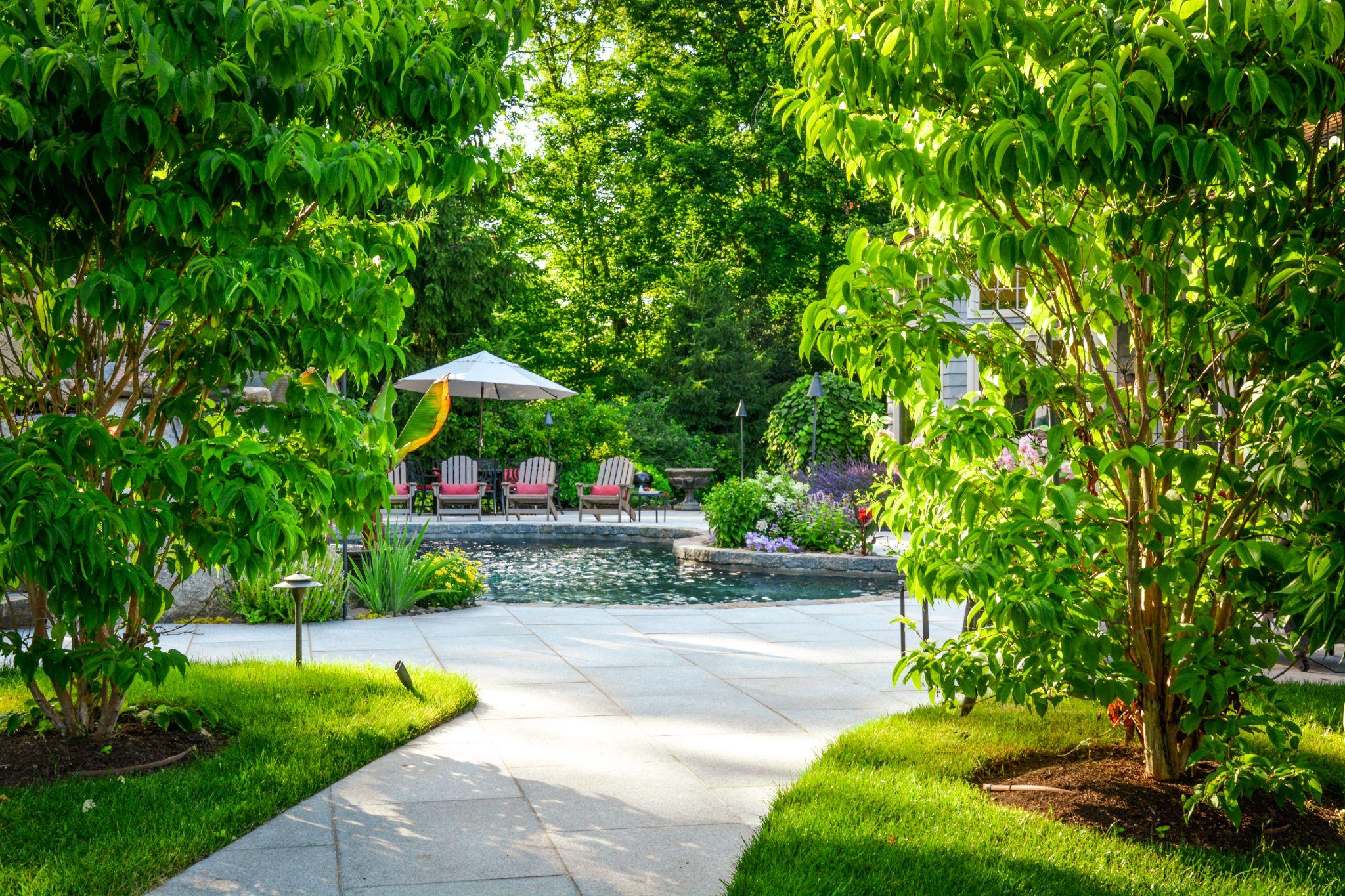
Simply put, softscaping in landscaping refers to all the living, green elements of your landscape design. If hardscaping is the “bones” of your yard (things like patios, walkways, and walls), softscaping is the “skin and soul”, the plants and organic materials that breathe life into the space. These soft, lush features are what make your property feel inviting and connected to nature. Key examples of softscape elements include:
- Lawns and Groundcover: Grass, groundcover plants, and turf areas that create open green spaces.
- Trees and Shrubs: From towering shade trees to ornamental bushes and hedges, these provide structure, privacy, and seasonal interest.
- Flower Beds and Gardens: Colorful annuals, perennials, and flowering plants that add beauty, texture, and fragrance throughout the seasons.
- Other Plantings: Vines, succulents, groundcovers, and even the soil, mulch, and natural edging that support plant health and aesthetics.
Together, they shape the mood and character of your yard. From a tropical paradise, a cozy woodland, a sleek minimalist garden, whatever style you envision. Unlike static hardscape features, softscape elements are alive and constantly changing. When the softscaping in landscaping is planned wisely, each plant serves a purpose in the overall design. With regular care, those intentional choices will continue to flourish as your landscape grows and changes.
How Does Softscaping Shape the Character of Your Landscape?

Softscape choices are what give your landscape its distinct personality. Two yards with identical patios and pathways can feel entirely different if one is brimming with roses and sculpted hedges while the other has just plain lawn. The difference in charm comes down to how the residential landscaping softscape design is handled. In other words, softscaping in landscaping is the key to creating character – it’s what breathes life and style into the scene. In essence, the plants you select and where you place them set the tone for your whole property’s ambiance.
Plant Selection and Style
Every plant contributes to your yard’s style. For example, a landscape filled with airy ornamental grasses and wildflowers creates a relaxed, natural vibe, while one featuring clipped topiaries and rose bushes feels more formal and refined. Tropical palms and vibrant blooms evoke a vacation-like paradise, whereas native shrubs and a shade tree lend a comfortable, homey feel. By choosing softscape elements that match your theme, you ensure your outdoor space tells a cohesive story.
Color and Mood
The color palette of your garden has a huge impact on the atmosphere. Soft pastels and lush greens can create a space that feels tranquil and inviting. Bold reds, yellows, and purples add energy and playfulness. Even the green shades of foliage matter: deep emerald leaves versus silvery gray ones change the mood. Thoughtful softscaping in landscaping means planting with color in mind so that, whether it’s a calming monochromatic green garden or a vibrant rainbow of annuals, the mood of your landscape is exactly what you intend.
Seasonal Interest
One hallmark of a well-designed softscape is that it offers beauty in every season. Spring bulbs bring fresh cheer, summer flowers burst with color, autumn foliage adds warmth, and evergreens or winter berries keep the garden interesting even in cold months. By planning for staggered bloom times and year-round greenery, your landscape’s character isn’t static, it evolves through the seasons. This ensures there’s always something to enjoy, and your property never looks barren or forgotten at any time of year.
Landscaping planting design and care must work together hand in hand. The plants that define your landscape’s character only continue to shine if they’re well-tended. A beautifully designed garden can lose its intended style if pruning, feeding, and other care are neglected.
Why Must Planting Design and Landscaping Maintenance Align?
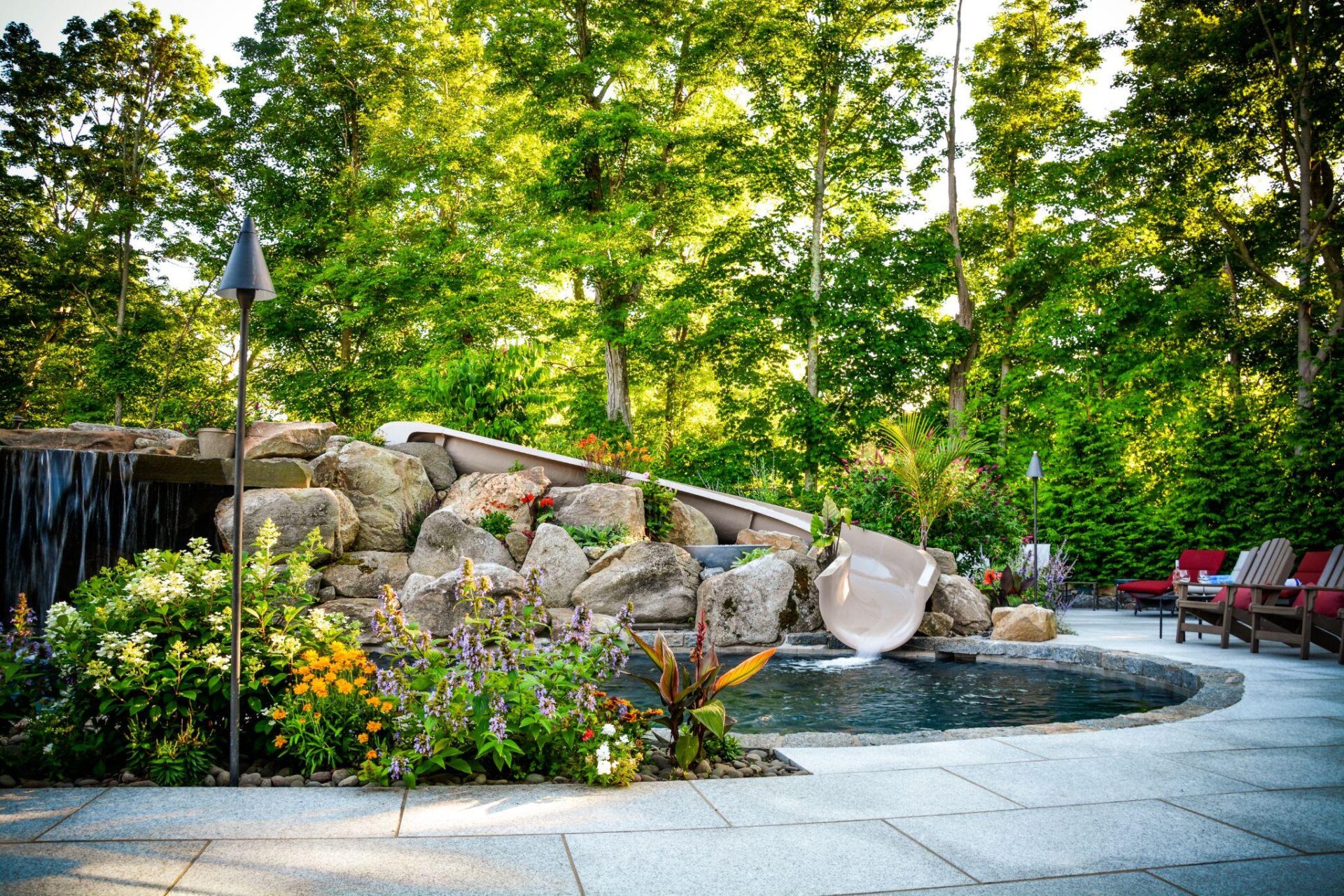
For a landscape to thrive, softscaping and landscaping maintenance need to go hand in hand from the very beginning. If your planting design doesn’t factor in how those plants will be cared for over time, you could be setting yourself up for headaches down the road. Here are a few reasons your planting plan and maintenance plan should be aligned:
- Right Plant, Right Place: When choosing plants, a good designer considers the conditions (sun, shade, soil, climate) and the plant’s natural size and growth habit. Selecting the right plant for each spot means your maintenance team won’t be fighting an uphill battle to keep it alive or constantly trimming it back. For example, planting a tree that will naturally stay small prevents the need for harsh pruning or removal years later.
- Design That Lasts: Aligning design with maintenance ensures the original vision for your landscape doesn’t fade. If the maintenance crew understands the design intent, they can care for each element appropriately. The result is that your garden continues to look “by design,” not by accident, even as plants mature.
- Fewer Surprises and Replacements: Designing with maintenance in mind helps prevent unpleasant surprises. Plants that are placed with their future growth in consideration won’t outgrow their space or smother their neighbors. You won’t have unexpected bald spots because a short-lived plant died without a successor planned, and you won’t be forced into frequent plant replacements. In short, proactive planning saves you from reactive fixes later on.
In essence, this is an integrated landscaping design and maintenance approach, you plan the upkeep simultaneously with the planting. Such forward thinking involves long-term landscaping maintenance planning built into your project from the outset. It means fewer problems to solve down the line and a landscape that stays true to your vision. When your design and maintenance efforts are aligned, your softscaping in landscaping thrive, and your property stays on track as the years go by.
What Does Professional Softscaping Maintenance Include?
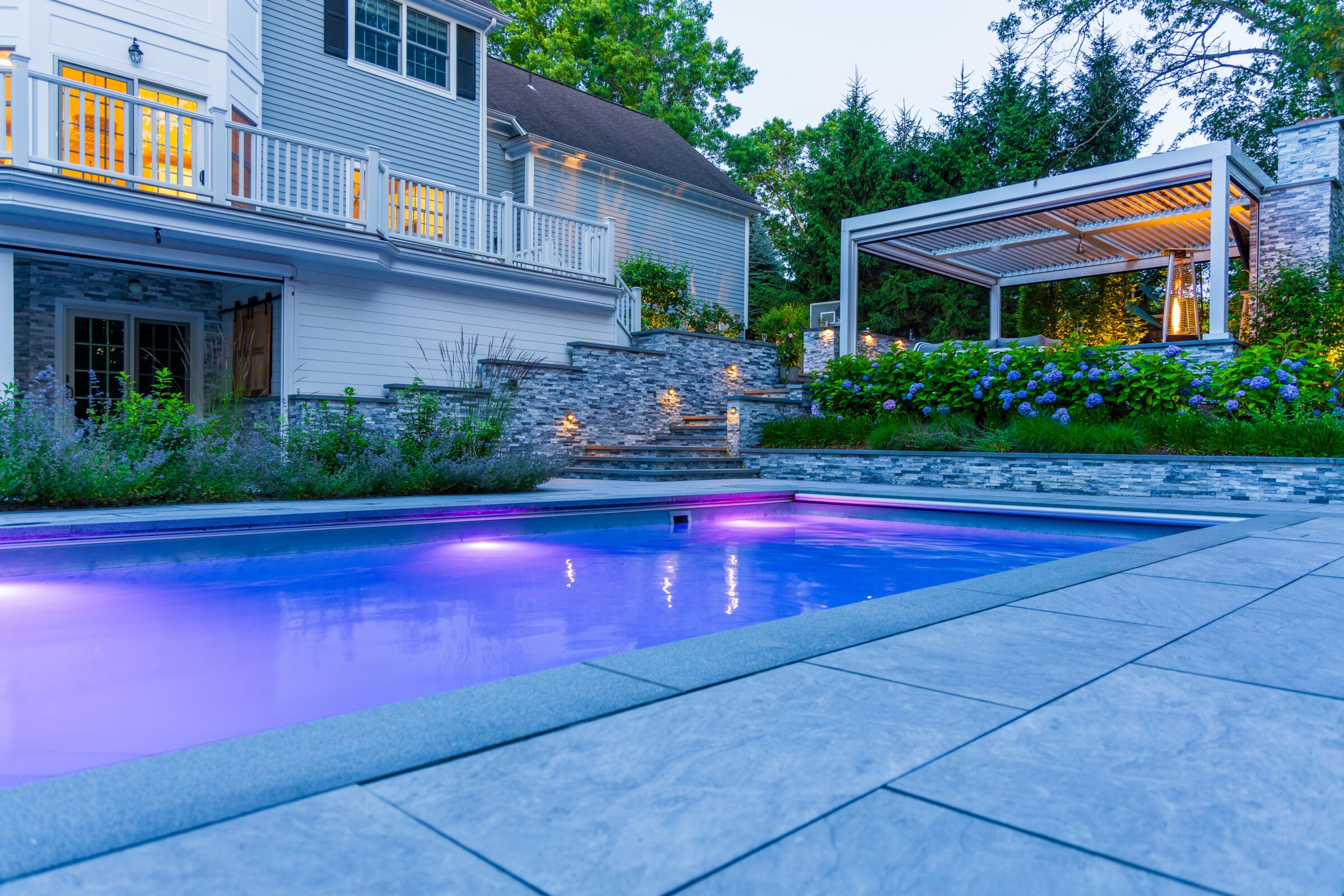
Maintaining healthy and beautiful softscaping in your landscaping requires consistent, knowledgeable care. A full-service maintenance team handles all those time-consuming chores so you don’t have to. In fact, professional landscaping plant care covers a wide range of services to keep every part of your yard in top condition. Some of the core components of softscape maintenance include:
- Lawn Care: Regular mowing, edging, and aeration to keep your grass lush and neat. Professionals also handle fertilizing the lawn and controlling weeds or pests that can invade turf.
- Weeding and Bed Care: Ongoing removal of weeds from flower beds and around shrubs, plus cultivating or edging beds so they stay tidy. This also includes adding fresh mulch to suppress weeds and conserve soil moisture, keeping plant roots healthy.
- Pruning and Trimming: Expert pruning of shrubs, hedges, and small trees to promote healthy growth and maintain their intended shape. This ensures your ornamental plants don’t become overgrown or misshapen. Deadheading flowers (removing spent blooms) is also done to encourage the growth of new blossoms.
- Plant Health Treatments: Monitoring for pests, diseases, or nutrient deficiencies in your plants. A professional crew will spot issues early and treat them. These services could include spraying for insects, applying environmentally friendly disease controls, or amending the soil with fertilizer and compost as needed.
- Seasonal Cleanups and Planting: In spring, this means clearing winter debris, cutting back dead foliage, and planting new annual flowers for color. In the autumn, tasks include raking leaves, cleaning up beds, and protecting delicate plants before winter. Many services also include seasonal flower rotations, so your pots and beds have fresh, colorful plants throughout the year.
- Irrigation and Water Management: Ensure that your sprinkler or drip irrigation systems are functioning properly and adjusted for the current season. Professionals will set optimal watering schedules, fix leaks or clogs in irrigation lines, and hand-water any new plantings or wilting spots as needed. Proper watering is essential to keep your softscape thriving, especially during hot summer months.
How Does Year-Round Care Support Healthy Planting?
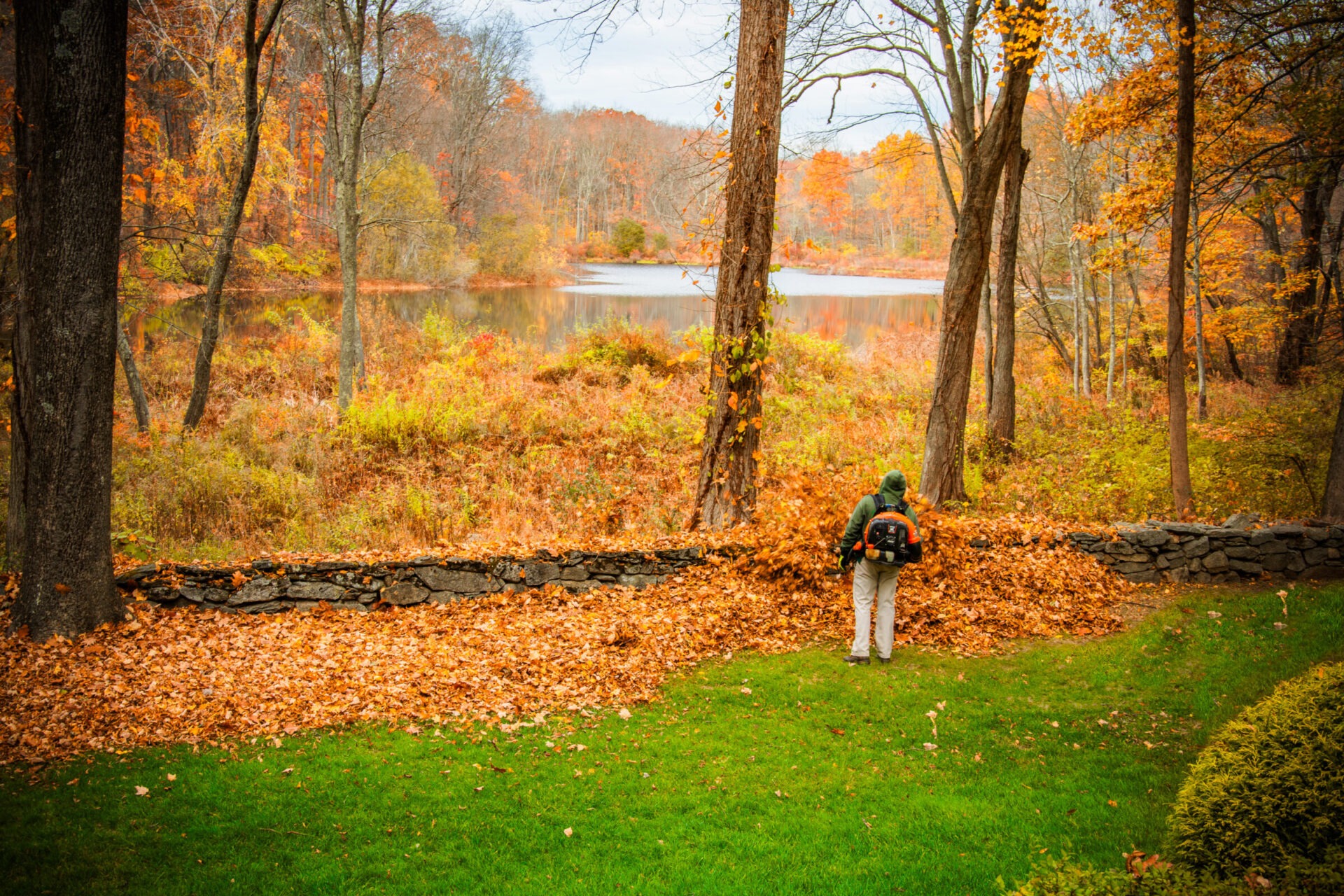
Your plants don’t take the year off, and neither should their care. Softscaping and landscaping maintenance isn’t a one-season job, it’s a continuous cycle that keeps your landscape thriving through all four seasons. Different times of year bring different needs for your softscape. Here’s how year-round care benefits your plants:
Spring – Refresh and Renew
This is the season of new growth. Spring maintenance provides your softscaping in landscaping with a strong start by clearing away winter debris and pruning any dead or damaged branches, allowing plants to focus on healthy growth. Fertilizer is often applied to enrich the soil as everything awakens, and spring rains (plus proper mulching) help recharge the moisture. Fresh annual flowers are typically planted now, adding instant color. By rejuvenating beds and lawns in spring, you set the stage for robust growth in the months ahead.
Summer – Maintain and Monitor
In the peak growing season, regular softscaping in landscaping maintenance prevents problems. Weekly mowing and weeding keep fast-growing grass and weeds in check. Summer heat means irrigation systems are adjusted so all your plants get enough water. A professional crew will also be on the lookout for pest infestations or fungal diseases that often crop up in warm, humid weather. Catch issues early before they spread. Light pruning and deadheading continue through summer to direct the plant’s energy and keep the garden looking its best.
Autumn – Prepare for Rest
Fall is about helping your softscaping in landscaping wind down gracefully. Leaves are raked and removed so they don’t smother your lawn or invite mold. Perennials and shrubs might be pruned back or divided as needed, and fall is an ideal time to plant trees or spring-blooming bulbs (the cool weather and rain help them establish roots). Autumn fertilization for lawns or gardens adds nutrients that can be stored over winter. All these steps strengthen your plants and yard so they can handle the coming cold.
Winter – Protect and Plan
Cold months require a watchful eye even though most of your softscaping in landscaping lies dormant. A winter maintenance routine might include protecting fragile shrubs with burlap, brushing heavy snow off tree limbs to prevent breakage, and ensuring mulch still covers root zones for insulation. It’s also a time to plan ahead, evaluating what worked well and what might need changes come spring. With minimal active growth, winter is when professionals often perform larger pruning on trees (while insects are inactive). By caring for your garden through winter’s challenges, you ensure a healthier resurgence in spring.
Why Does Communication Matter in Landscaping Maintenance?
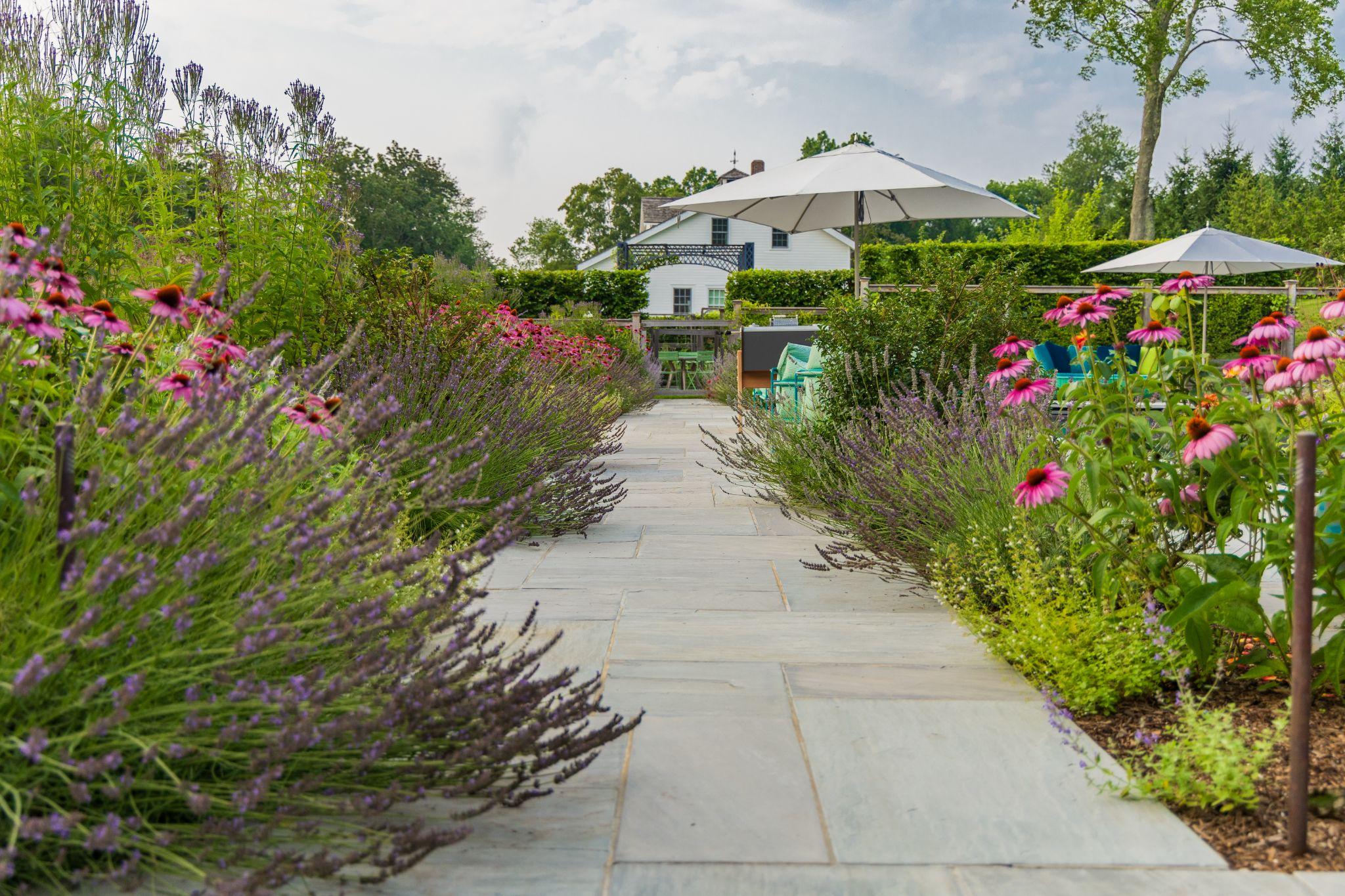
Even the best landscaping planting design and care plan can be derailed by poor communication. In a complex landscape project, there are many moving parts including designers, horticulturists, crew members, and you as the homeowner. If everyone isn’t on the same page, mistakes and frustrations can easily occur. That’s why clear, proactive communication is key to any successful and landscape design.
From your perspective as a homeowner, good communication means peace of mind. You should know what’s being done in your yard and when. For instance, a reliable landscaping company will notify you if the crew needs to reschedule a visit due to weather, or if they observe an issue (like an emerging pest problem or a plant that isn’t thriving) and propose a solution. Rather than you coming home to surprises, you’re kept in the loop about every significant change or decision. This builds trust that your property is being cared for to your expectations.
Communication is equally important on the service provider’s side. The team maintaining your landscape needs to understand your priorities and preferences. Do you love the wild look of a particular flower bed, or do you want it kept tightly manicured? Are there areas of the property you’d like them to pay special attention to (or perhaps avoid)? Regular check-ins and an open dialogue ensure that the work aligns with your wishes, so the results consistently match what you envision.
How Can One Landscaping Partner Support Consistency?
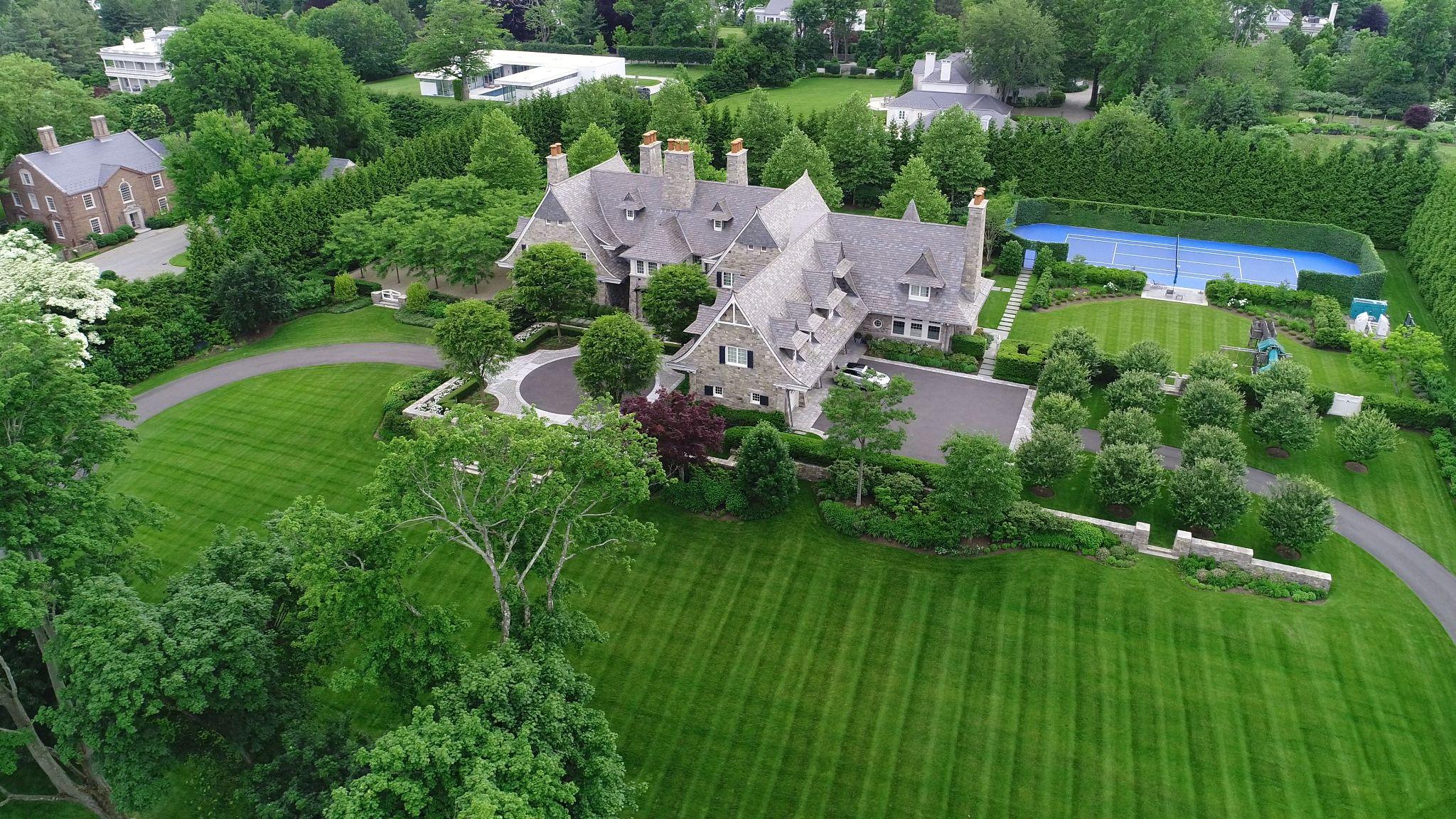
Having a single company handle all your softscaping and landscaping maintenance brings a level of consistency you simply can’t get with piecemeal services. When you rely on one trusted partner for everything from planting to lawn care, your landscape benefits in several ways:
- Everything Coordinated: All the ongoing tasks (mowing, pruning, fertilizing, irrigation, etc.) are organized as part of one comprehensive plan. This means no services are overlooked or duplicated. The team schedules each task at the proper time and makes sure every element of your softscaping in landscaping is getting attention. With one partner coordinating, the spring fertilization isn’t accidentally missed because one contractor assumed another did it. Every job has a clear owner.
- Familiar Team, Familiar Landscape: Over time, the same crew learns the ins and outs of your property. They notice subtle changes (like a tree developing a fungus or a section of lawn holding water) and address them before they escalate. Because they’ve been caring for your softscaping in landscaping season after season, they know its history and can make informed decisions. This consistency of personnel leads to consistent results, as opposed to different crews coming and going who might not catch important details.
- One Source of Accountability: When one company is responsible for your softscaping in landscaping and the overall health and appearance of your green spaces, there’s no finger-pointing. They take full ownership of outcomes. If something isn’t right, they will know it and fix it, rather than multiple vendors deferring blame to each other. You have one point of contact for any concerns, and that partner stands behind all of the work done on your property.
- Less Effort for You: Perhaps most importantly, your life gets simpler. You aren’t juggling calls between a lawn service, a tree trimmer, and a gardener – you have a single partner who handles it all. A good full-service landscaper will proactively suggest what your property needs and then take care of it. Instead of you having to remember seasonal to-dos or coordinate a dozen different appointments, everything is streamlined across your softscaping in landscaping needs. You can spend your weekends enjoying your yard, confident that your landscaping partner has it under control.
What Is the Role of Planning in Mature Landscapes?
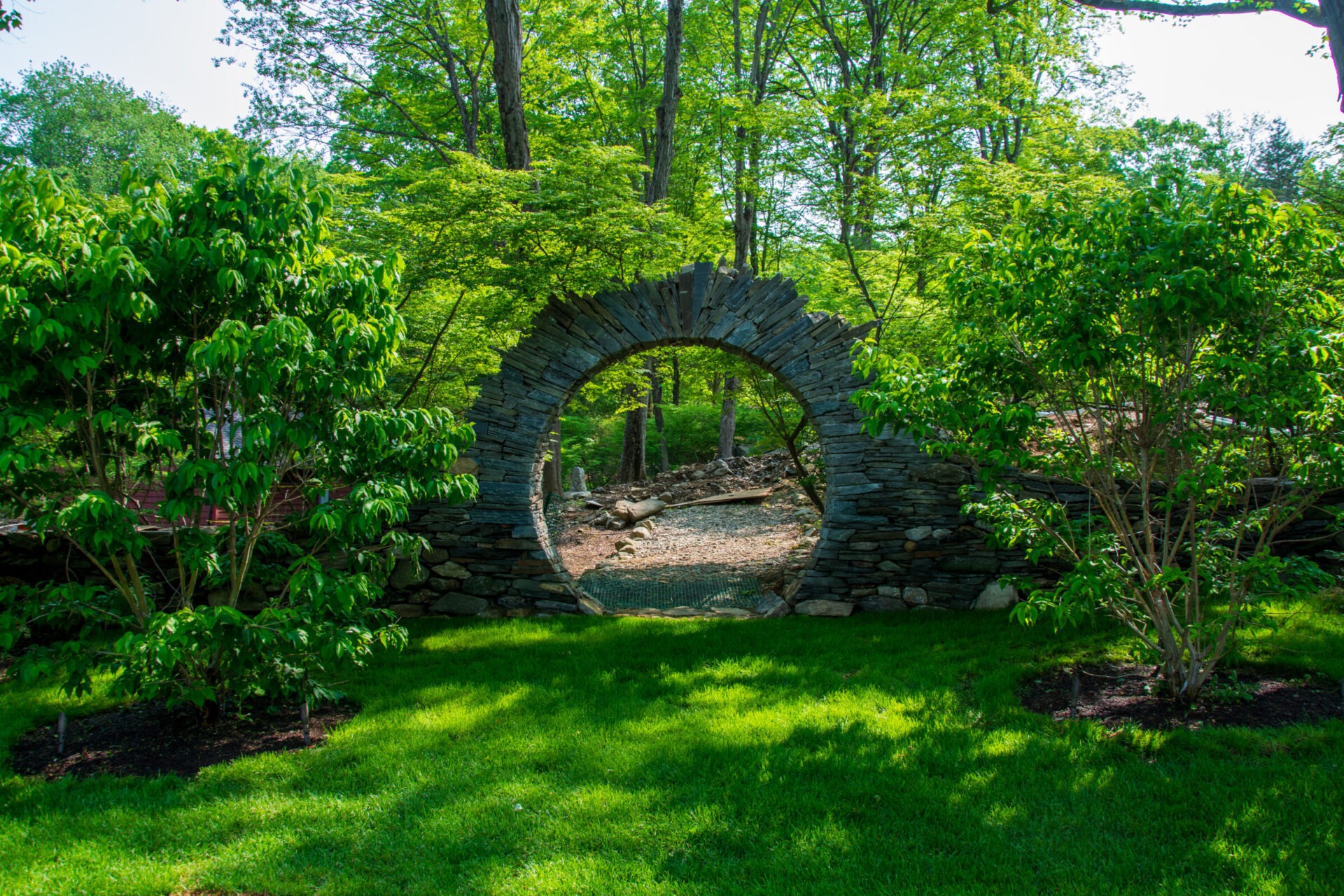
As your landscape matures, long-term landscaping maintenance planning becomes especially important. The trees that were saplings ten years ago might now cast deep shade over areas that once got full sun. Flowering shrubs planted as young specimens may have doubled in size, changing the look and balance of your garden beds. A thoughtful plan recognizes that a landscape is a living, evolving system and it anticipates those changes. This means when your design was installed, there was already a vision for how each tree, shrub, and flower would grow into the space and how they’d be cared for as they mature.
In a mature landscape, planning and maintenance merge into one continuous process for your softscaping in landscaping. The team tending your property is not just thinking about the immediate season, but years down the line. For example, they might plan selective pruning for a large shade tree every few years to keep it healthy and not overcrowding other plants. They might rotate and refresh certain perennials in a flower bed once they have passed their prime, or gradually introduce new shrubs in phases, so the landscape always looks full and intentional, even as older plants decline. By having a long-range view, nothing is left to chance, your landscape’s evolution is guided rather than left to nature and luck.
One big advantage of this forward-thinking approach is the confidence it provides in the longevity of your plantings. Hoffman Landscapes even offers a written Lifetime Warranty on all plant material we install for clients who continue with our maintenance program. This kind of promise is possible only when one company handles both planting and ongoing care, ensuring each plant receives exactly what it needs to thrive in the long term. It’s the ultimate assurance that careful planning and consistent maintenance will preserve the beauty of your landscape. It also means that if a tree or shrub fails to stay healthy under this watch, it will be replaced, no questions asked.
In short, mature landscape planning is about protecting the investment you’ve made in your property’s greenery. With professional landscaping plant care guiding this process, your landscape doesn’t peak a few years after installation, it keeps getting better with age. Every season and every year are accounted for, so the outdoor space you love today will remain just as beautiful a decade from now, supported by expert care and smart foresight.
How Does Softscaping Preserve Overall Landscaping Intent?
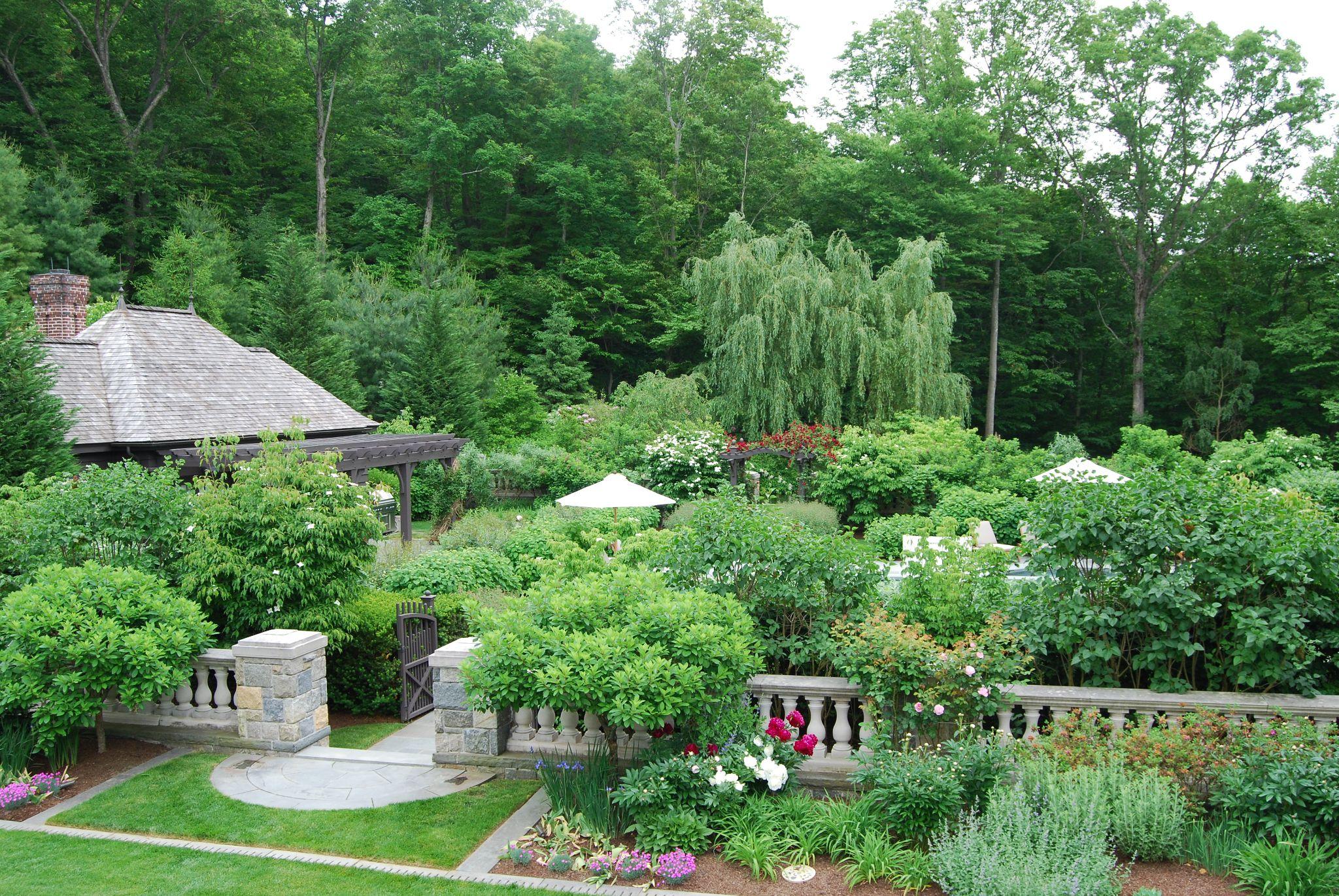
Think about the original vision you had when you invested in your residential landscaping softscape design. Perhaps you wanted a tranquil Japanese-style garden, or a vibrant English cottage look; specific colors, shapes, and an atmosphere that resonated with you. Preserving that intended character over the years comes down to caring for the softscape elements that carry so much of the style. If the plants grow unchecked or the wrong replacements are added haphazardly, the landscape can start to drift away from that vision. Consistent, intentional maintenance is what prevents this drift and keeps the design on course.
In many ways, softscape care is about honoring the designer’s plan (and your preferences) long after the initial installation. An integrated landscaping design and maintenance approach makes this possible. The same considerations that went into choosing each plant, like its size, color, texture, and role in the layout, continue to guide how that plant is trimmed, fed, and if needed, replaced. For example, if your design intended a low, manicured hedge along a walkway, the maintenance team will prune those shrubs regularly to maintain the clean lines. If the plan called for a burst of purple every summer from a cluster of lavender, the team ensures new lavender is planted or propagated when older plants fade. Because the maintenance is in tune with the design, every decision (from what fertilizer to use, to when to replant a section) supports the overall look you originally wanted.
Softscaping is not merely about keeping plants alive, it’s about keeping the intent of the landscape alive. All the communication, planning, and year-round effort come together to ensure your softscaping in landscaping remains intentional, not random. In the end, successful landscaping planting design and care is an ongoing partnership. It doesn’t stop after the installation crew leaves; it carries on through seasons and years. By prioritizing softscaping in landscaping, you ensure that the beautiful outdoor space you envisioned remains that way, evolving gracefully without losing its essence.
Why Choose Hoffman Landscapes as Your Landscape Care Partner?
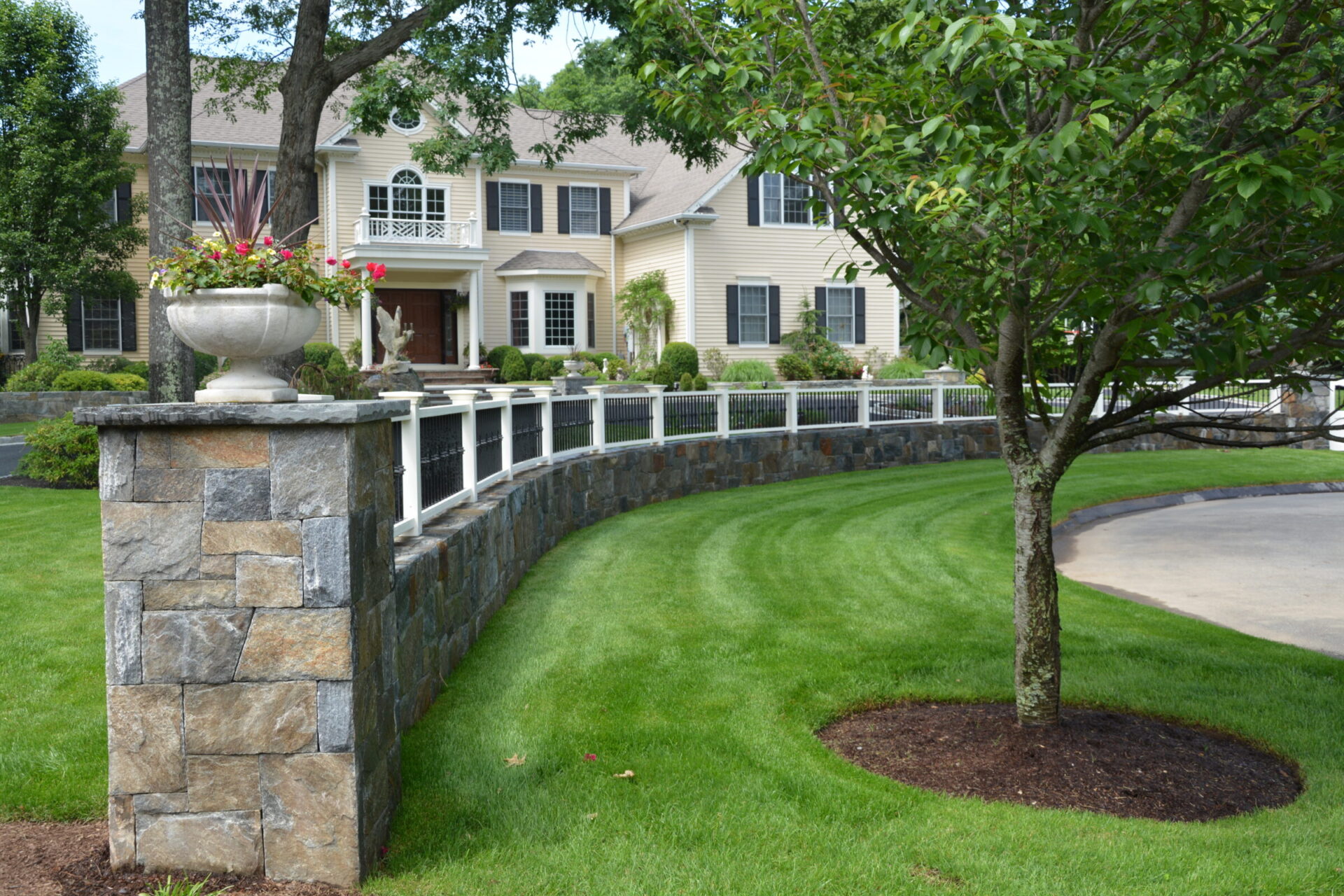
At Hoffman Landscapes, our team of experienced specialists lives and breathes landscape care. We don’t just maintain properties, we take complete ownership of their beauty and health year-round. Our approach is comprehensive and proactive, meaning you get every service you need through one reliable team. We keep you informed at every step, so you’re never left guessing about your yard. And with our nationally recognized high standards, you can trust that every pruning cut, every planting, and every service visit is executed with expert craftsmanship.
We offer a Written Lifetime Warranty on all plant material we install and maintain, underscoring our confidence in our work and long-term care. When you partner with Hoffman Landscapes, you’re getting more than a maintenance crew; you’re gaining a committed team that treats your property as if it were our own. We handle all the heavy lifting, planning, and upkeep, so you can simply enjoy a pristine, picture-perfect landscape without the stress.
Ready to reclaim your free time and put your landscape in expert hands? Request a consultation today, and let our team take care of the rest.
Summary
Softscaping in landscaping refers to all the living elements (plants, lawns, gardens) in your landscape. It shapes the character of your property’s design and requires consistent, long-term care. A solid plan that aligns residential landscaping softscape design with year-round maintenance ensures your outdoor space remains intentional and beautiful. With one professional team handling everything from plant selection to pruning and seasonal cleanup, you get a cohesive landscape that thrives for years to come. This integrated approach also ensures clear communication and accountability from your landscaping partner, making your life easier.