
Benefits of Softscaping Within Professional Landscaping

When your property includes layered planting, mature trees, and carefully designed outdoor spaces, landscaping decisions carry weight. You want the landscape to remain consistent, age well, and stay enjoyable without constant involvement from you. Yet many homeowners find themselves dealing with fragmented care, unclear responsibility, and planting decisions that feel disconnected from long-term upkeep.
That frustration grows when planting initially looks good but becomes increasingly difficult to manage each season. Communication gaps appear. Adjustments multiply. Time disappears. What should feel settled starts to feel reactive.
By treating softscaping and care as a single responsibility, professional firms ensure that every plant and design element contributes positively to the property’s value year after year. The reduced need for costly replacements, coupled with the consistent, polished appearance, transforms the landscape from a recurring expense into a stable asset. This integrated approach offers busy homeowners confidence that their outdoor space is performing financially as well as aesthetically.
1. Consistent Standards Across Your Landscape
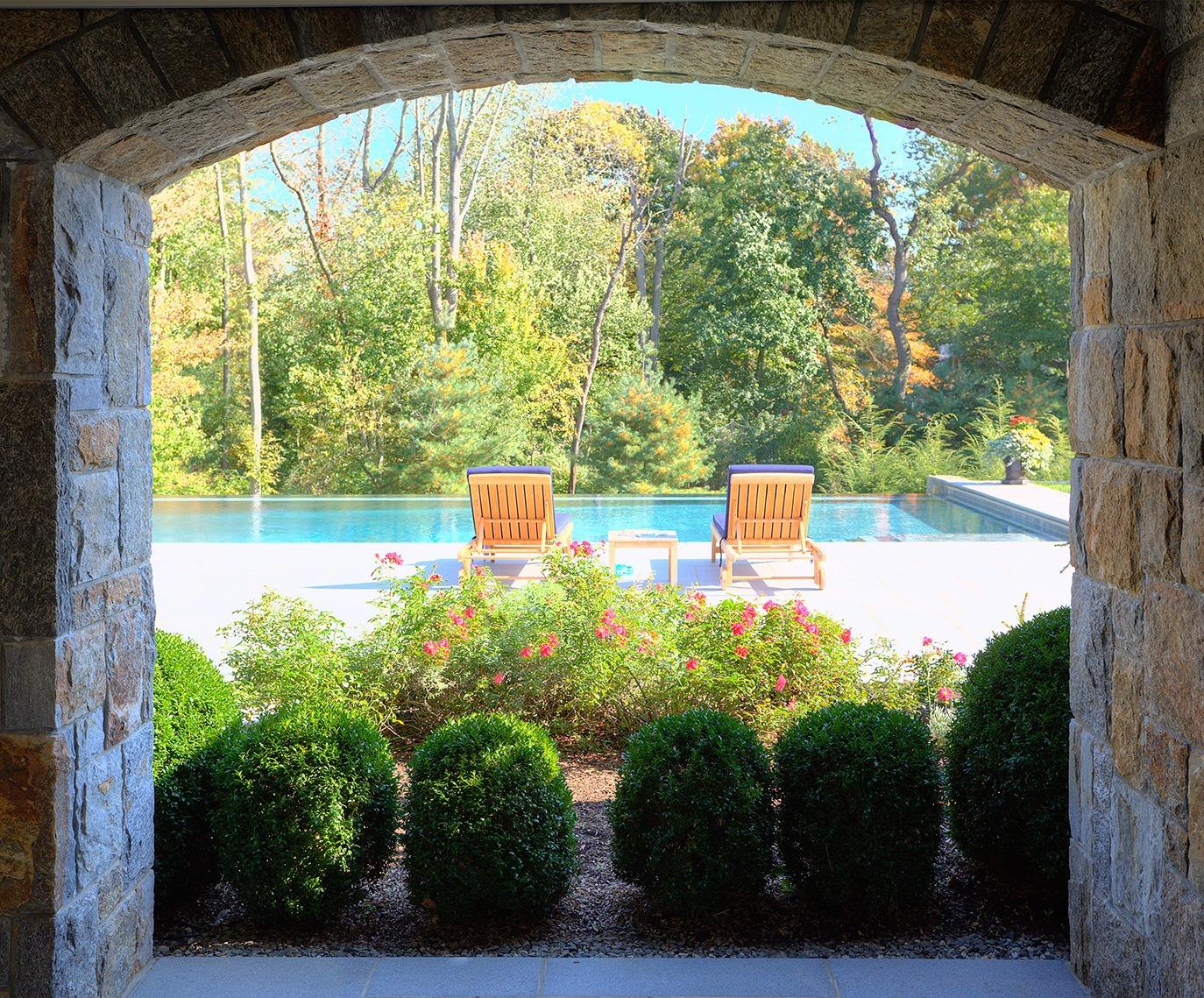
One of the most noticeable benefits of softscaping in professional landscaping is consistency. When planting design and care are managed together, standards stay aligned across the entire property. Nothing feels overdesigned in one area and overlooked in another. One of the most noticeable benefits of softscaping in professional landscaping is consistency. When planting design and care are managed together, standards stay aligned across the entire property. Nothing feels overdesigned in one area and overlooked in another.
Consistency shows up in:
- Plant spacing that reflects mature growth
- Repeated design language across outdoor spaces
- Uniform care practices throughout the season
- Predictable outcomes from year to year
- Spotting larger issues such as irrigation and fixing issue
This consistency is part of the integrated landscaping design benefits that matter most on sophisticated residential properties. Instead of reacting to individual requests, the landscape is managed as a whole. You are not explaining your expectations repeatedly. The standards are already understood.
For homeowners who value reliability, this level of residential landscaping management removes guesswork and ensures the entire property feels cohesive rather than segmented. Beyond aesthetic uniformity, integrated softscaping ensures consistency in the health and vigor of your plants. When planting experts are also responsible for the ongoing care, they select varieties and install them in ways that minimize stress and maximize their natural resilience. This alignment means that fertilization schedules, pest monitoring, and seasonal adjustments are perfectly calibrated to the specific species on your property.
This proactive health management prevents minor issues from escalating into major problems requiring costly interventions. It reduces the use of unnecessary chemicals and supports a more robust, naturally thriving ecosystem in your yard.
2. Planting Decisions Made With Care In Mind
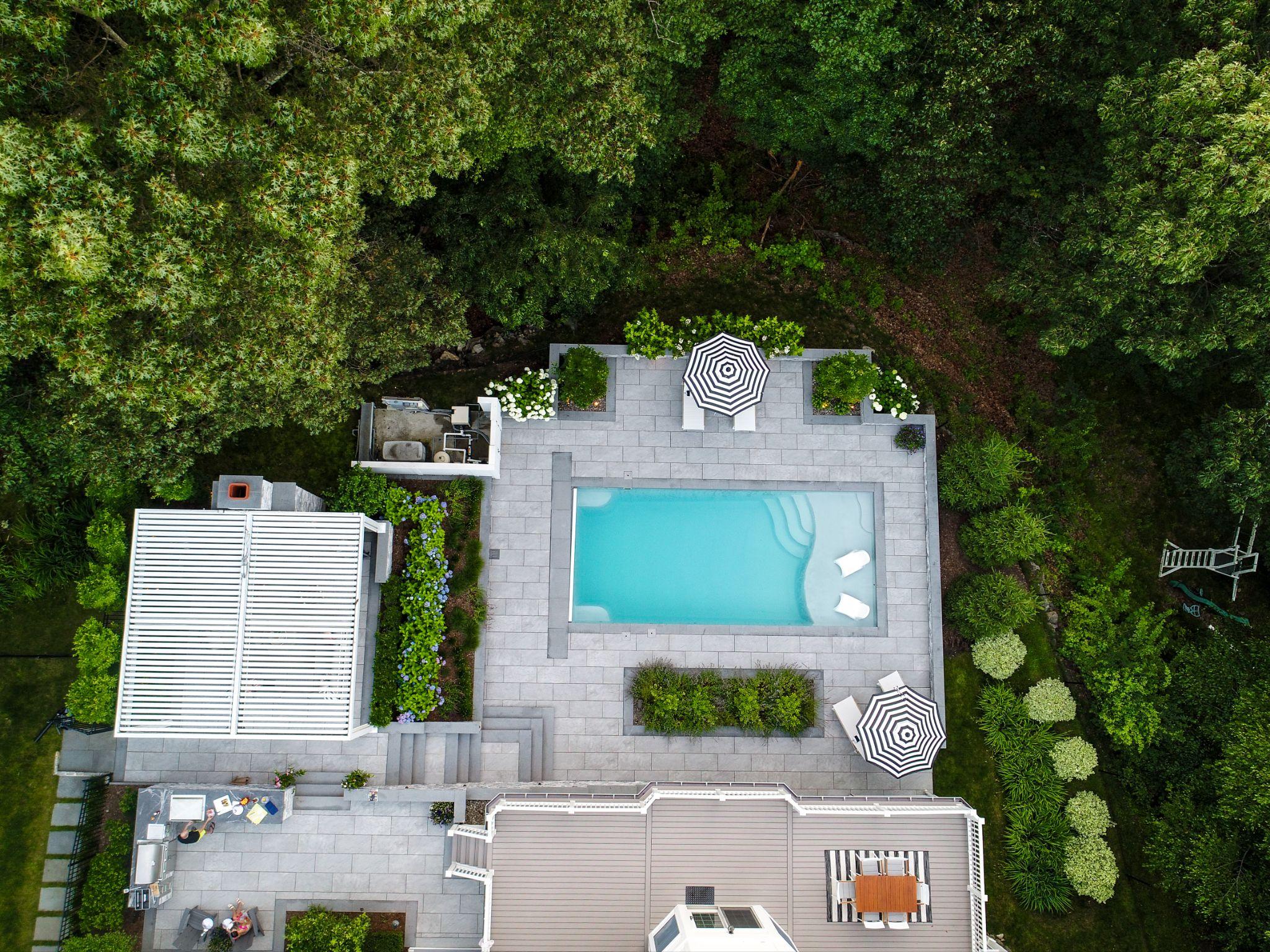
Planting that looks good on installation day does not always perform well long term. Softscaping in professional landscaping prioritizes how plants will live, grow, and be cared for over time.
When planting decisions account for care from the start, you benefit from:
- Plants suited to existing soil and light
- Groupings based on similar maintenance needs
- Reduced need for constant pruning
- Fewer stressed or declining plants
These professional softscaping care benefits protect your landscape from unnecessary disruption. Instead of planting that requires frequent intervention, care becomes steady and manageable. This approach also supports long-term landscaping success. Plants are selected and placed with intention, reducing the need for replacements and revisions as seasons pass. This reduction in ongoing changes saves homeowners valuable time and mental energy.
Instead of constantly monitoring the landscape for potential problems or inconsistencies, you can trust that the original design intent is being meticulously maintained. The rhythm created by integrated softscaping means seasonal transitions. It’s the difference between having a settled, stable asset and an unpredictable project requiring endless oversight. This long-term stability is arguably one of the most underrated benefits, as it directly contributes to a higher quality of life for the homeowner.
3. Fewer Adjustments Over Time
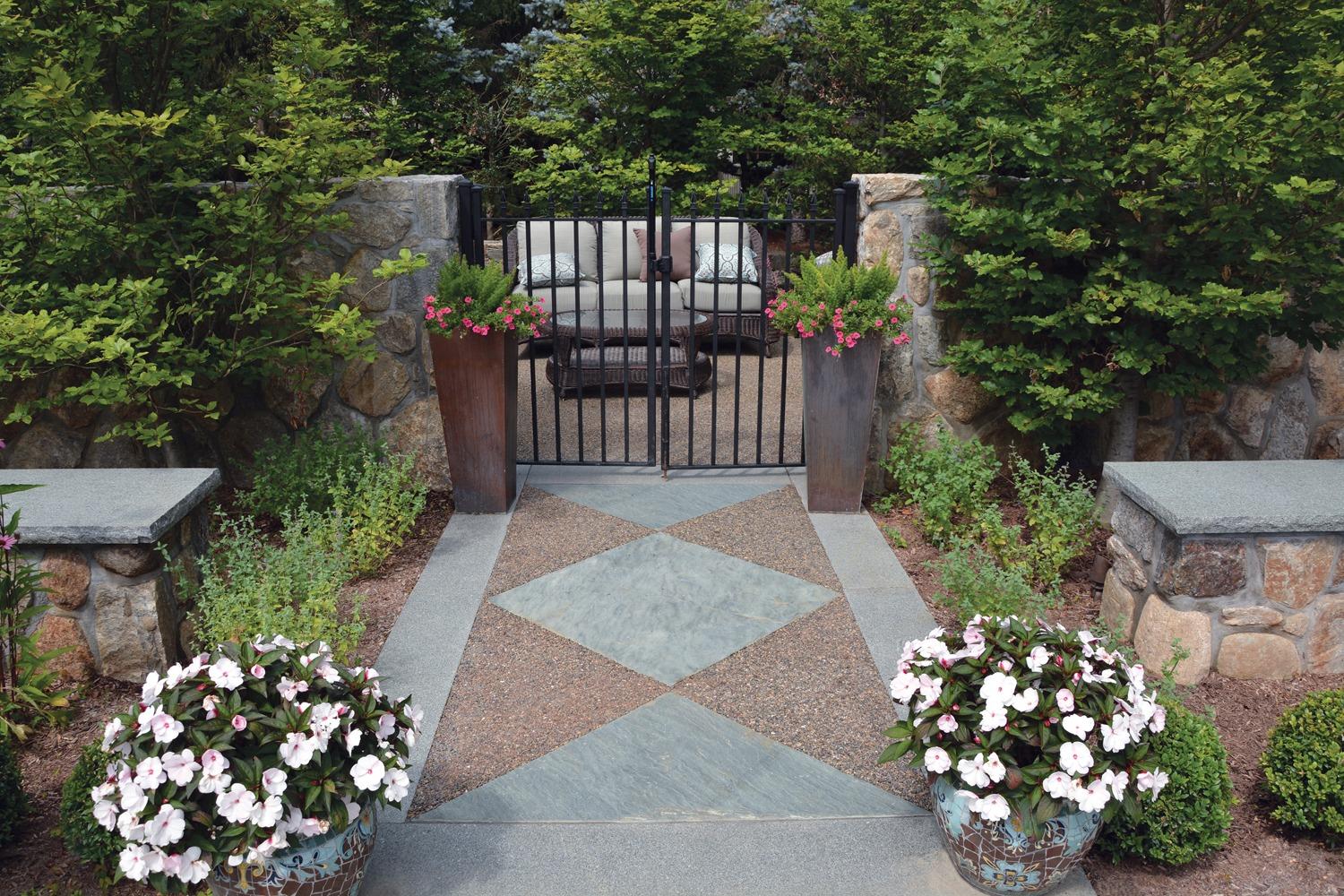
Frequent adjustments are often a sign that planting was not planned with longevity in mind. One of the overlooked benefits of softscaping in professional landscaping is how it reduces ongoing changes. When planting is coordinated with care:
- Growth patterns are anticipated
- Mature size is respected
- Space is preserved for future development
- Seasonal changes feel balanced rather than chaotic
Fewer adjustments mean fewer conversations, fewer interruptions, and fewer decisions required from you. The landscape settles into a rhythm instead of demanding attention.
This stability is a direct result of residential landscaping management that values foresight over reaction. It allows you to enjoy your property rather than constantly revisiting planting choices. This streamlined approach ensures that the health and aesthetic goals for your property are never compromised by miscommunication or divided attention.
4. Clear Communication Without Follow-Ups
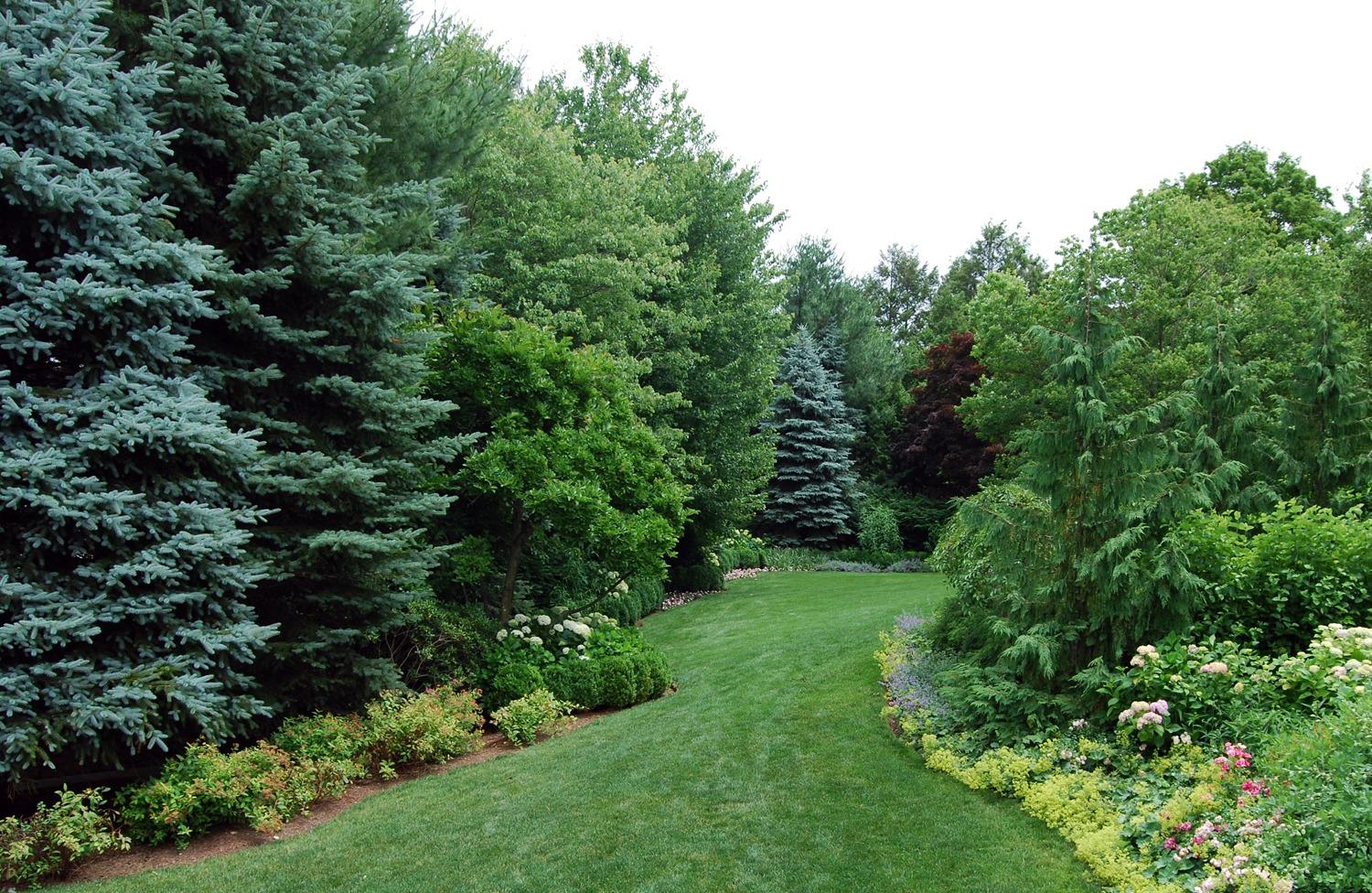
Clear communication is essential when managing complex landscapes. Softscaping in professional landscaping simplifies communication by keeping responsibility centralized.
You experience fewer follow-ups because:
- Expectations are established early
- Planting and care teams share information
- Seasonal plans are communicated clearly
- Decisions are documented and understood
Strong landscaping maintenance communication reduces confusion and eliminates the need for you to coordinate details. You are informed, not involved. This clarity becomes especially important for homeowners who prefer a hands-off approach while still expecting precision. With one partner managing both planting and care, communication remains proactive instead of reactive. To see how ongoing care supports this clarity, you can explore professional landscape maintenance services that align planting with year-round attention.
5. Design Integrity Maintained Year After Year
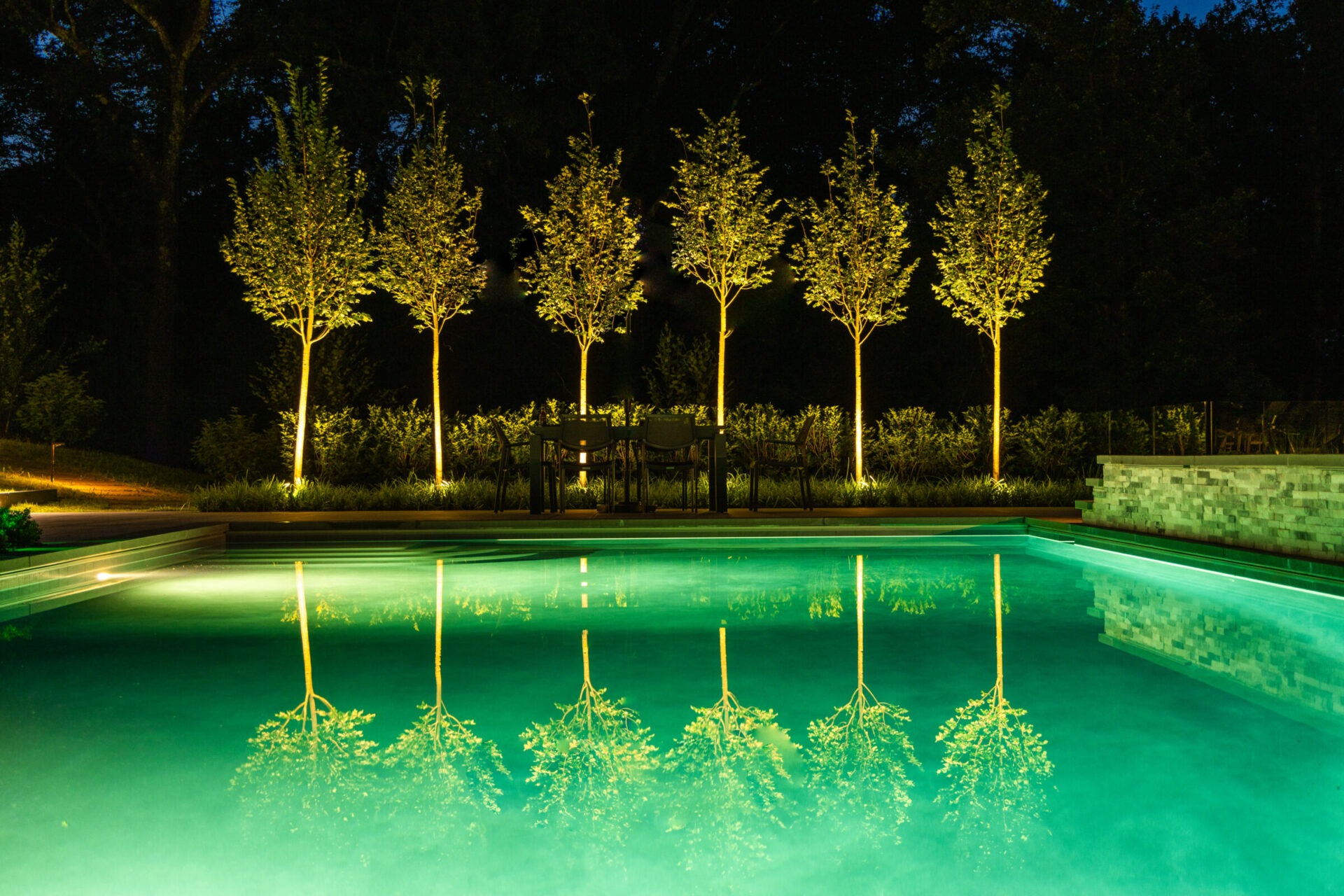
Design integrity fades when planting and care are disconnected. Over time, pruning habits change the shape of the landscape. Replacement plants disrupt the original vision. Balance is lost. Softscaping in professional landscaping protects design integrity by keeping care aligned with intent. Every adjustment respects the original layout and purpose. Design integrity is maintained through:
- Pruning that supports plant form
- Replacement decisions that match the existing design
- Seasonal care that reinforces structure
- Long-term planning that preserves balance
This approach ensures that your landscape looks intentional years after installation, not gradually altered through inconsistent decisions. If you want deeper insight into how planting and care alignment preserve design intent, you can read more about this relationship through a detailed breakdown of planting and maintenance working together.
6. Accountability You Don’t Have To Manage
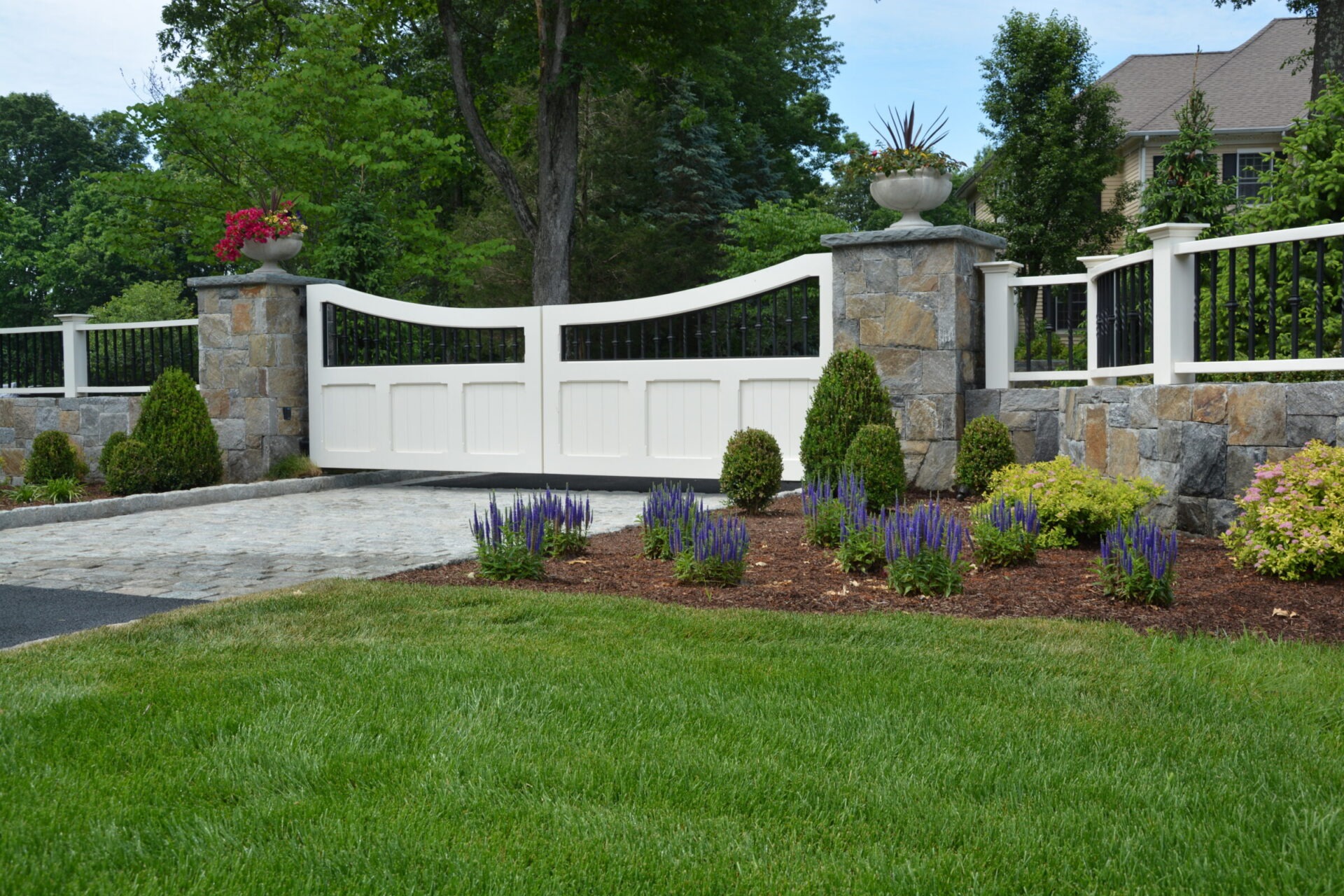
Managing accountability across multiple vendors takes time. When planting and maintenance are separated, responsibility becomes unclear.
Simplified accountability is one of the strongest advantages of sticking to one landscaping partner. With softscaping in professional landscaping handled by one team, there is no question about who owns outcomes.
You benefit from:
- Clear ownership of planting decisions
- Responsibility for long-term performance
- Fewer conversations when issues arise
- Confidence that nothing is overlooked
This structure is particularly valuable for busy homeowners who do not want to manage details. Accountability is built into the process rather than enforced through oversight.
A professionally managed softscape is an investment, not just an expense. Integrated planting and care protect this investment by ensuring plant health and aesthetic appeal are consistently optimized. This seamless alignment contributes directly to higher curb appeal, making your property more attractive and preserving its market value over time.
7. Planning That Anticipates Growth
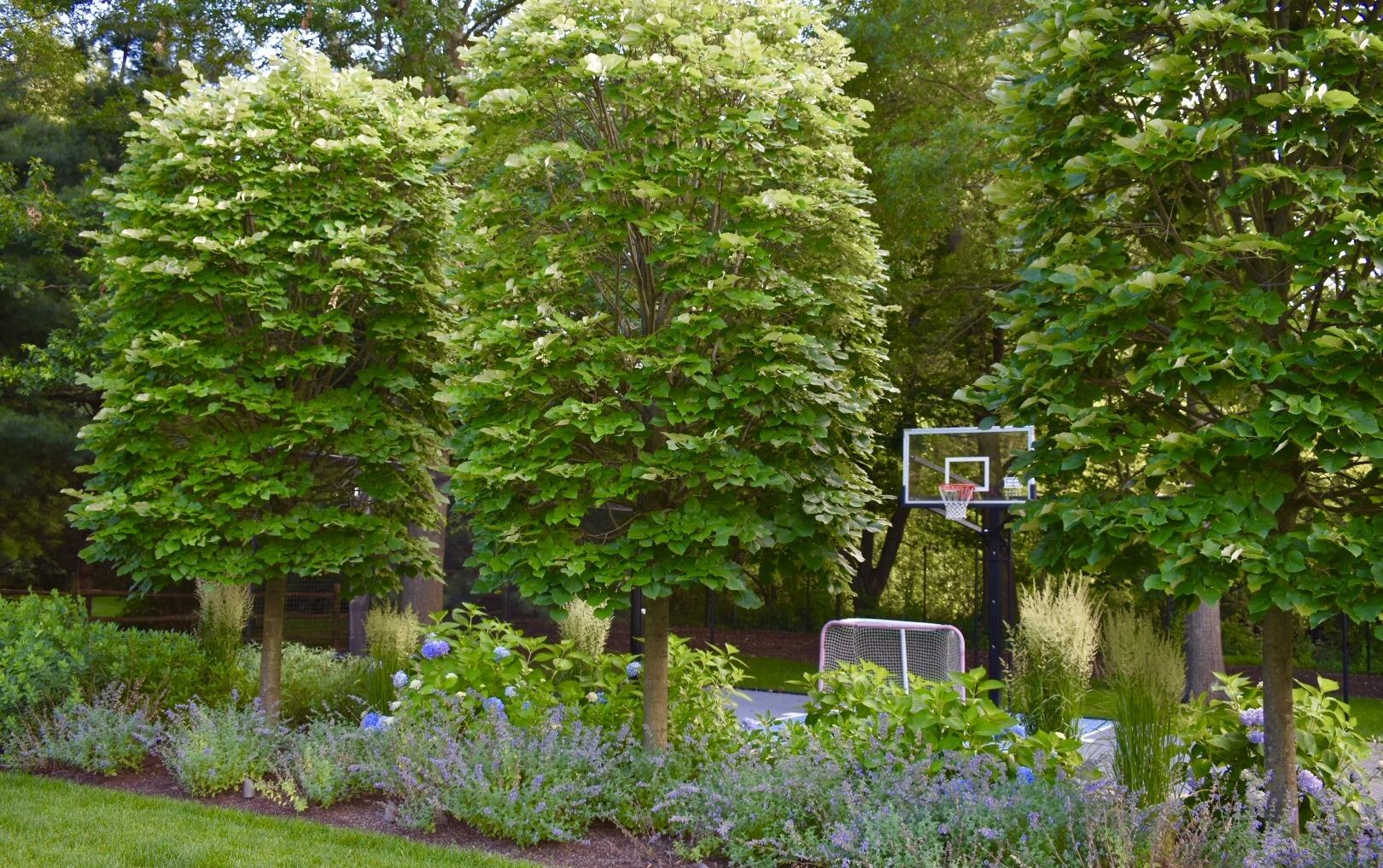
Growth changes everything. Trees mature. Shrubs expand. Shade shifts. Without planning, growth creates friction. Softscaping in professional landscaping anticipates growth from the beginning. Planting decisions are made with the future in mind, not just immediate appearance.
Growth-aware planning considers:
- How plants will interact over time
- How shade patterns will evolve
- How maintenance access will remain available
- How the landscape will age gracefully
This foresight supports long-term landscaping success and reduces the need for disruptive changes later. Planning that anticipates growth protects both your investment and your time.
This level of planning often works best when coordinated with broader site improvements. You can learn how planting aligns with larger property enhancements through integrated landscape construction services.
8. Care Backed By Professional Recognition
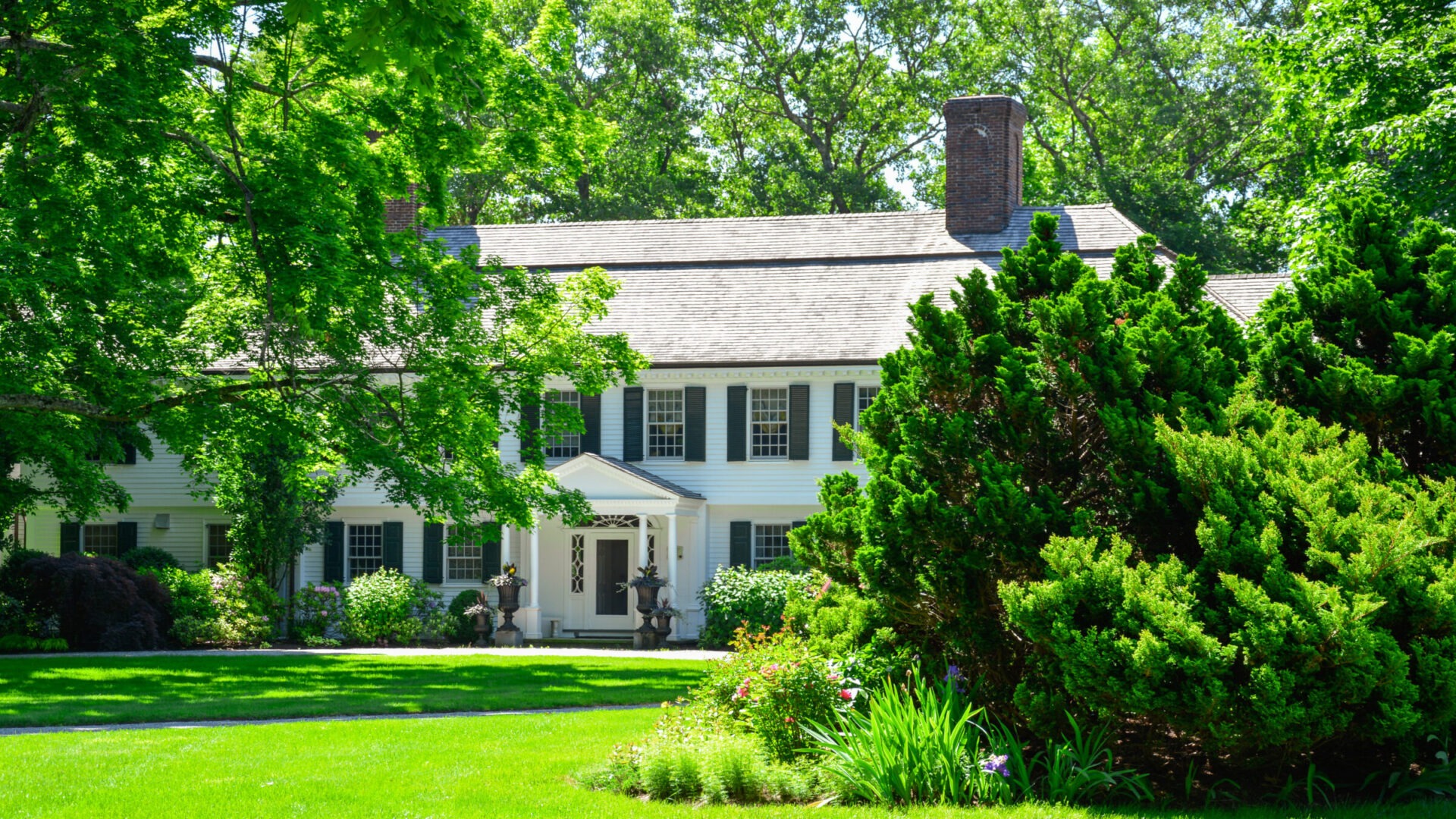
Professional recognition reflects consistent standards, proven processes, and reliable outcomes. Softscaping in professional landscaping benefits from teams that are held to measurable expectations. Care backed by professional recognition means:
- Established systems guide planting decisions
- Quality is reviewed and refined regularly
- Standards are upheld across all properties
- Experience informs every recommendation
These professional softscaping care benefits offer peace of mind. Your landscape is managed by specialists who understand both detail and scale.
This recognition also reinforces integrated landscaping design benefits. Design and care are not treated as separate services but as connected responsibilities. The value of softscaping in professional landscaping lies in clarity. When planting design and maintenance are aligned under one partner, your landscape becomes easier to manage and more enjoyable to live with. Communication stays clear. Adjustments decrease. Design integrity remains intact. This approach allows you to step back while knowing your property is being handled with care, foresight, and accountability.
By choosing a firm that treats planting and care as interdependent functions, you are investing in predictability. You receive not just horticultural expertise, but a strategic partnership focused on the enduring health and aesthetic performance of your land. This holistic management is the defining difference between a landscape that requires constant correction and one that thrives effortlessly, season after season, providing lasting curb appeal and personal enjoyment.
If you are ready to simplify decisions and support your landscape long term, you can request a quote today!
Summary
This listicle explains how softscaping in professional landscaping supports consistency, clarity, and long-term performance by aligning planting decisions with ongoing care across residential properties.
Tags: