
How Softscaping Maintenance Supports Quality Landscaping

Your landscape looks amazing when it’s fresh, newly planted, and perfectly detailed. But over time, even high-end properties can start to look uneven, overgrown, or stressed without the right care. Plants shift, light changes, and small issues build up quietly until they become hard to ignore. The good news is that with the right plan, your property can stay polished and healthy through every season.
This guide walks you through the steps that make softscaping maintenance in landscaping easier to manage and more reliable long-term.
Step 1: Review Existing Planting Conditions

Before you adjust anything, you need a clear view of what’s working and what’s not. A sophisticated property often has layered planting beds, mature trees, privacy screening, and seasonal color. That level of detail requires a closer look than a quick walkthrough.
Start by observing your property from multiple angles. Walk the front entry, driveway borders, backyard living spaces, and any areas around features like a tennis court or rink. You’re looking for patterns, not perfection.
Check for issues like:
- Areas where plants are thinning out
- Spots where soil stays too wet or dries too fast
- Mulch that has broken down or washed away
- Plants that are crowding each other
- Bare patches where weeds keep returning
This first step helps you set priorities. Instead of guessing, you can base decisions on real conditions. It also helps you understand what your landscape needs now versus what it may need later.
A smart review sets the tone for softscaping maintenance in landscaping because it keeps you focused on plant performance, not just appearance. It’s the difference between reacting to problems and staying ahead of them.
Step 2: Identify Plant-Specific Care Needs

Every plant in your landscape has its own requirements. Some thrive with minimal attention. Others need regular pruning, feeding, or moisture management to stay healthy and shaped.
One common issue in high-end landscapes is treating everything the same. That usually leads to overwatering some areas and under-supporting others. Your goal is to match care to each plant’s needs, especially for specialty material like ornamental trees, flowering shrubs, and layered perennials.
Create simple categories to guide your care:
High-Attention Plants
- Roses, hydrangeas, boxwoods, specimen trees
- Seasonal annual beds
- Plants near high-visibility zones
Moderate-Attention Plants
- Established shrubs and hardy perennials
- Foundation plantings
- Privacy screens
Low-Attention Plants
- Native plants
- Groundcovers
- Mature shade trees
This is where professional landscaping plant care makes a real difference. It helps you avoid common mistakes like trimming at the wrong time, feeding too aggressively, or pruning in ways that weaken the plant. More importantly, it gives you clarity on what professional softscaping maintenance includes, so your plantings stay healthy, shaped, and consistent instead of becoming a guessing game from season to season.
Step 3: Align Maintenance With Landscaping Design

Your landscape design is not just a collection of plants. It’s a layout built around structure, balance, and flow. If your maintenance doesn’t support the design, the whole property can start to feel “off” even if the plants are technically healthy.
For example, a modern home with sleek lines often relies on shaped evergreens, controlled borders, and clean transitions. If shrubs grow unevenly or beds lose their definition, the design looks messy fast.
To align care with the design, focus on these areas:
- Shape and spacing: Maintain intended plant forms and prevent crowding
- Layering: Keep tall plants from swallowing mid-level and ground-level plantings
- Sightlines: Protect views across patios, pool decks, or courts
- Seasonal intent: Support color changes without leaving gaps
This step also supports integrated landscaping maintenance because it connects plant care to the rest of your exterior. Your landscape should look intentional year-round, not just during peak growing months.
When your maintenance plan matches the original design, you avoid constant rework. Softscaping maintenance in landscaping becomes a way to preserve what you invested in, rather than repeatedly correcting what drifted out of place. If your layout needs a refresh, you can also explore our “Landscaping Design” service.
This level of planning often works best when it’s coordinated with broader site improvements. You can learn how planting choices align with larger property enhancements through integrated landscape construction services.
Step 4: Schedule Care Around Growth Cycles

Plants don’t follow your calendar. They follow temperature, sunlight, moisture, and seasonal timing. If your schedule doesn’t match plant growth cycles, you’ll end up doing work too early, too late, or too often.
The most effective care plan follows what plants naturally need at each stage of the year. Here’s a simple seasonal rhythm you can use:
Early Spring
- Irrigation systems turned on and inspected
- Bed cleanup and edging
- Pruning for shape and structure
- Soil prep and early feeding
Late Spring Into Summer
- Monitoring water needs
- Mulch refresh
- Light trimming and deadheading
Late Summer Into Fall
- Preparing shrubs and perennials for cooler weather
- Cutting back where needed
- Protecting sensitive plantings
Winter Planning
- Review what struggled
- Identify areas to improve
- Plan updates for next season
- Shut down irrigation systems to protect them from winter damage
This is also where landscaping maintenance planning matters most. When your schedule is built around growth cycles, you avoid rushed decisions and reduce the risk of plant stress. A consistent schedule keeps softscaping maintenance in landscaping steady and easier to manage, even when your time is limited. You get a landscape that stays clean and controlled without needing constant attention from you.
Step 5: Monitor Plant Health Over Time

The best landscapes don’t stay strong by accident. They stay strong because someone is watching the details and responding early.
Plant health issues often start small:
- Yellowing leaves
- Slow growth
- Patchy blooms
- Wilting in certain areas
- Thin foliage on one side of a shrub
Instead of waiting for obvious damage, track changes across the season. Walk the property weekly or every other week and take quick notes. You don’t need to become an expert. You just need to spot patterns. Pay attention to:
Moisture Patterns
- Are some beds drying out faster?
- Are certain areas staying soggy?
Sun and Shade Changes
- Are trees casting new shade over sun-loving plants?
- Are heat-reflecting surfaces stressing nearby beds?
Pest and Disease Pressure
- Are leaves curling or spotting?
- Are there holes, webbing, or dieback?
This is the heart of managing plant health in landscaping. The earlier you notice change, the easier it is to correct.
Over time, this approach makes softscaping maintenance in landscaping smoother. You spend less time fixing major problems and more time keeping your landscape consistently healthy and sharp.
Step 6: Adjust Care as Landscapes Mature
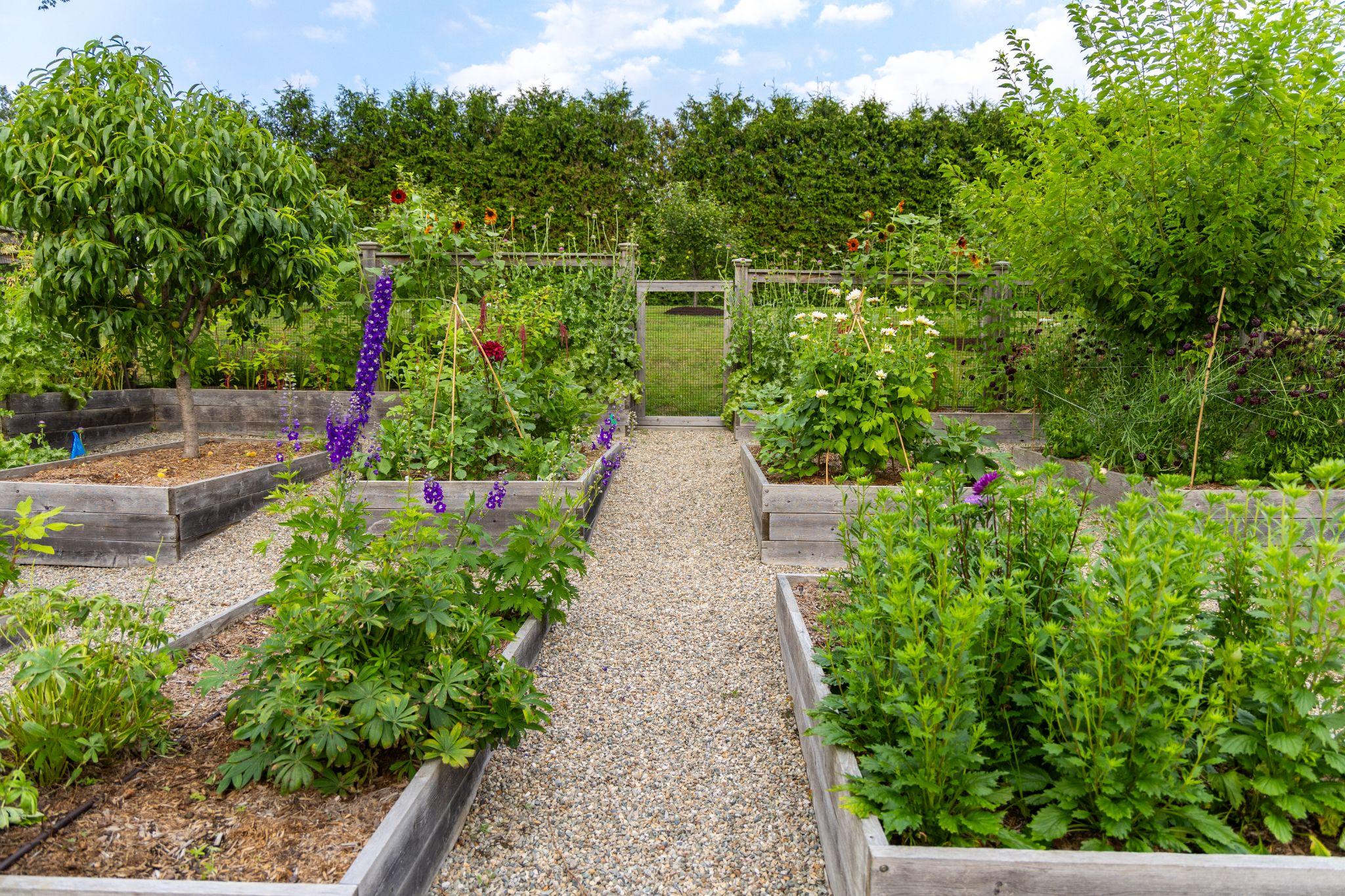
A landscape changes every year. Plants grow, root systems expand, and spacing that once felt perfect can start to tighten. Mature landscapes often look incredible, but they also require smarter decision-making to stay balanced.
This is where many homeowners get stuck. You may feel like the landscape is “too nice to touch,” so you avoid changes. But the right adjustments keep everything healthy and protect your original investment. As your landscape matures, you may need to:
- Thin shrubs to restore airflow
- Prune trees to protect light balance
- Divide perennials to maintain fullness
- Replace underperforming plants
- Update mulch depth and soil support
This step connects directly to long-term plant care strategies. You’re not just maintaining what you have. You’re guiding it forward so it stays clean, controlled, and thriving.
This is also where residential landscaping plant maintenance becomes more specialized. Mature properties have more complex needs, especially when they include multiple outdoor features and high-use spaces.
When you make small, smart adjustments each year, softscaping maintenance in landscaping stays manageable. You avoid sudden decline and keep your landscape looking polished, not overgrown.
Step 7: Coordinate Softscaping With Other Landscape Elements

Softscaping doesn’t exist on its own. Your plantings are connected to lighting, irrigation, drainage, hardscaping, and seasonal site use. If these elements aren’t coordinated, plants can struggle even when you’re doing everything else right.
For example:
- Irrigation overspray can cause fungal issues
- Poor drainage can drown roots
- Snow storage can damage shrubs
- Lighting placement can block growth or scorch foliage
- Hardscape edges can shift and affect bed definition
To coordinate properly, focus on connection points:
Beds Along Hardscapes
- Keep edges crisp
- Prevent soil spillover onto stone or pavers
- Maintain clean lines for a sleek look
Plantings Near Water Systems
- Ensure heads aren’t spraying foliage
- Adjust zones as plants grow
- Avoid overwatering shaded areas
Seasonal Features
- Protect plantings near a rink or high-traffic zones
- Plan access paths to reduce wear
- Keep snow and salt away from sensitive beds
This is a key part of integrated landscaping maintenance because it prevents one system from quietly damaging another.
When everything works together, softscaping maintenance in landscaping becomes more consistent. Your landscape stays balanced, your property stays functional, and your outdoor spaces stay enjoyable through every season.
Step 8: Communicate Updates Before Issues Develop

If you want a simpler, one-touch-point experience, communication matters just as much as the work itself. The best results come when updates happen early, before small concerns become visible problems.
This step is about staying informed without having to manage every detail yourself.
Helpful updates include:
- What’s thriving and why
- What needs adjustment soon
- Seasonal timing changes
- Early signs of plant stress
- Small recommendations that prevent larger issues
When communication is clear, you can make decisions quickly and avoid delays. You don’t have to chase contractors, coordinate multiple vendors, or spend weekends trying to diagnose what changed. That’s also how one landscaping partner supports consistency, because your property stays on a single plan with one team tracking details, timing, and priorities before issues start to show.
A Smarter Way To Protect Your Landscape Investment
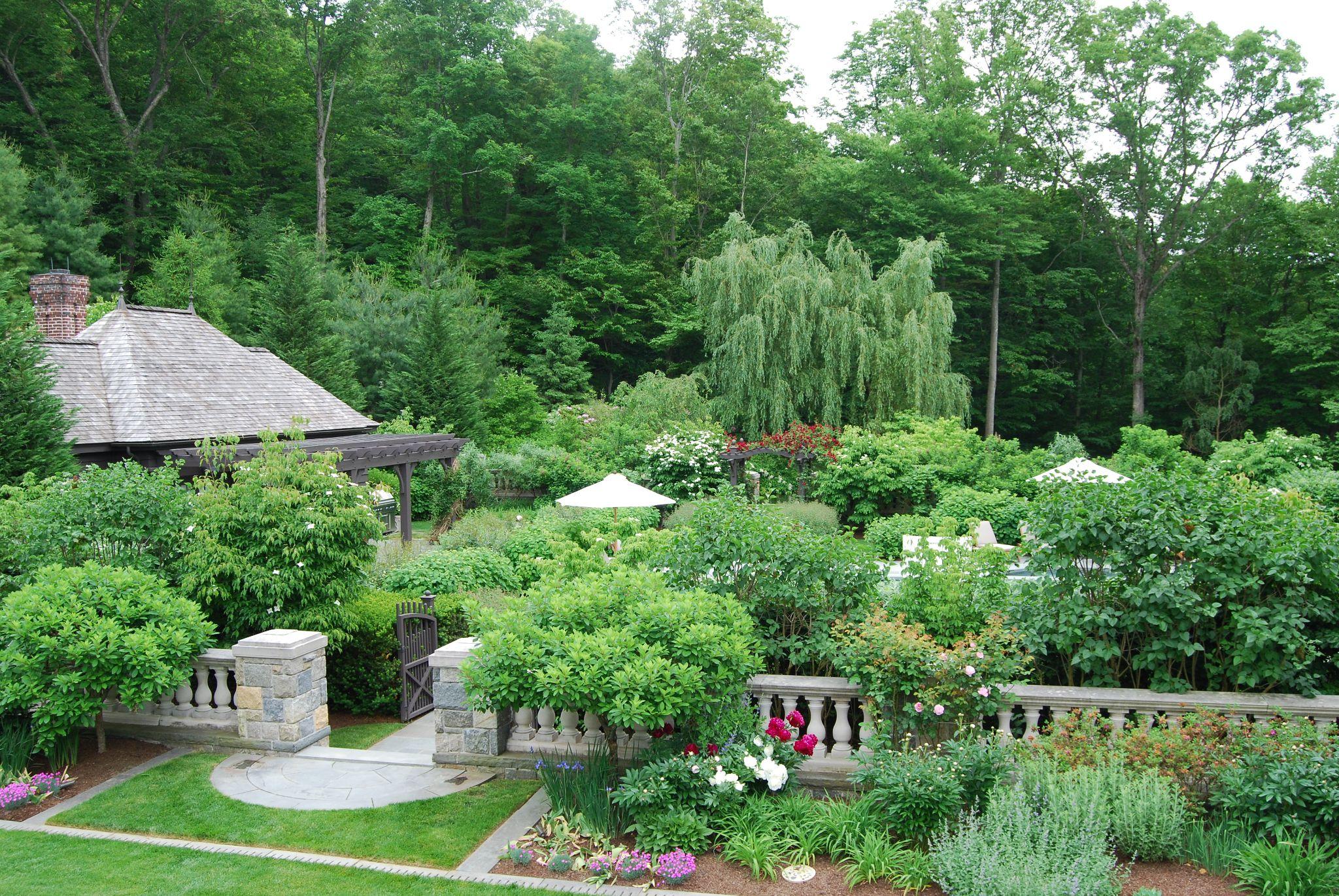
When your property is detailed, mature, and built for year-round enjoyment, your maintenance plan needs to match that level of quality. The goal is not constant work. The goal is consistent results.
By reviewing conditions, tailoring plant care, scheduling around growth cycles, and coordinating all exterior elements, you keep your landscape looking clean and performing well through every season. You also reduce surprises and avoid the stress of last-minute fixes.
Request a consultation and keep your outdoor spaces ready whenever you want to use them.
Summary
If you want your landscape to stay polished and healthy year-round, softscaping maintenance in landscaping gives you a step-by-step way to protect plant quality, prevent issues early, and keep your property looking consistent through every season.
Tags: