
Key Softscaping Elements in High-End Landscaping

Your landscape can look amazing on the day it’s installed, and still become a weekly headache a few seasons later. Plants outgrow their space. Beds blur into turf. Seasonal color becomes a constant swap. And the maintenance that should feel simple starts taking up your weekends.
If you’re busy, that kind of upkeep gets old fast. You want your property to stay sharp without needing constant attention. You also want your investment protected, because high-end landscapes aren’t meant to be “set it and forget it” or “fix it every year.” They’re meant to mature well, stay clean, and hold their shape.
That’s where the right softscaping elements in landscaping matter most. When planting choices and layouts are made with long-term care in mind, your property looks better for longer, with fewer issues to chase down. For a quick refresher, read our blog, What Does Softscaping Mean in Landscaping. Keep reading to see the key decisions that help your landscape stay polished, predictable, and easier to manage.
Plant Selection That Supports Long-Term Landscaping Care
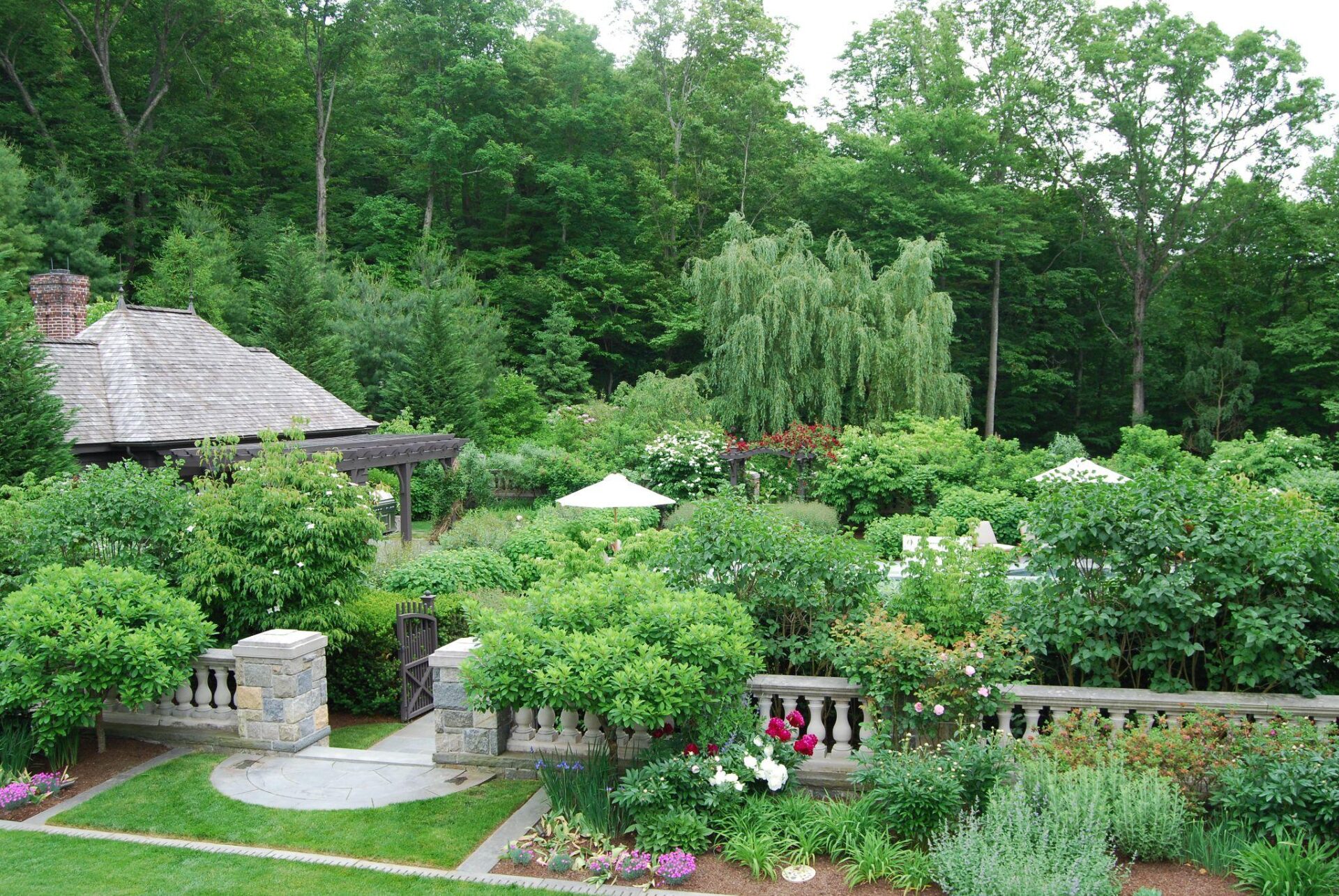
The first step in getting a landscape that stays clean and consistent is choosing plants that match your property’s conditions and your expectations. The best softscaping elements aren’t always the flashiest plants. They’re the ones that hold their form, stay healthy, and don’t demand constant intervention.
Start with the basics:
- Sun exposure (full sun, part shade, shade)
- Soil conditions (drainage, compaction, moisture)
- Wind and exposure zones
- Irrigation coverage and watering habits
If your landscape has refined stonework, structured beds, or high-end hardscape features, you want plants that support that style. Think controlled growth, reliable color, and predictable shape. That’s also where long-term planting strategies matter. You’re not planning for the first month. You’re planning for year three, year five, and beyond.
In high-end properties, your planting choices should also support your lifestyle. If you travel, entertain, or just don’t want to micromanage plant health, your plant palette needs to be stable. A strong residential landscaping planting design plan keeps your property looking intentional without constant resets, while still using softscaping elements that feel rich and layered. If you’re also planning updates to the full layout of your outdoor space, you can explore our Landscape Design service for a deeper look at how the process comes together.
Layered Planting for Depth and Structure
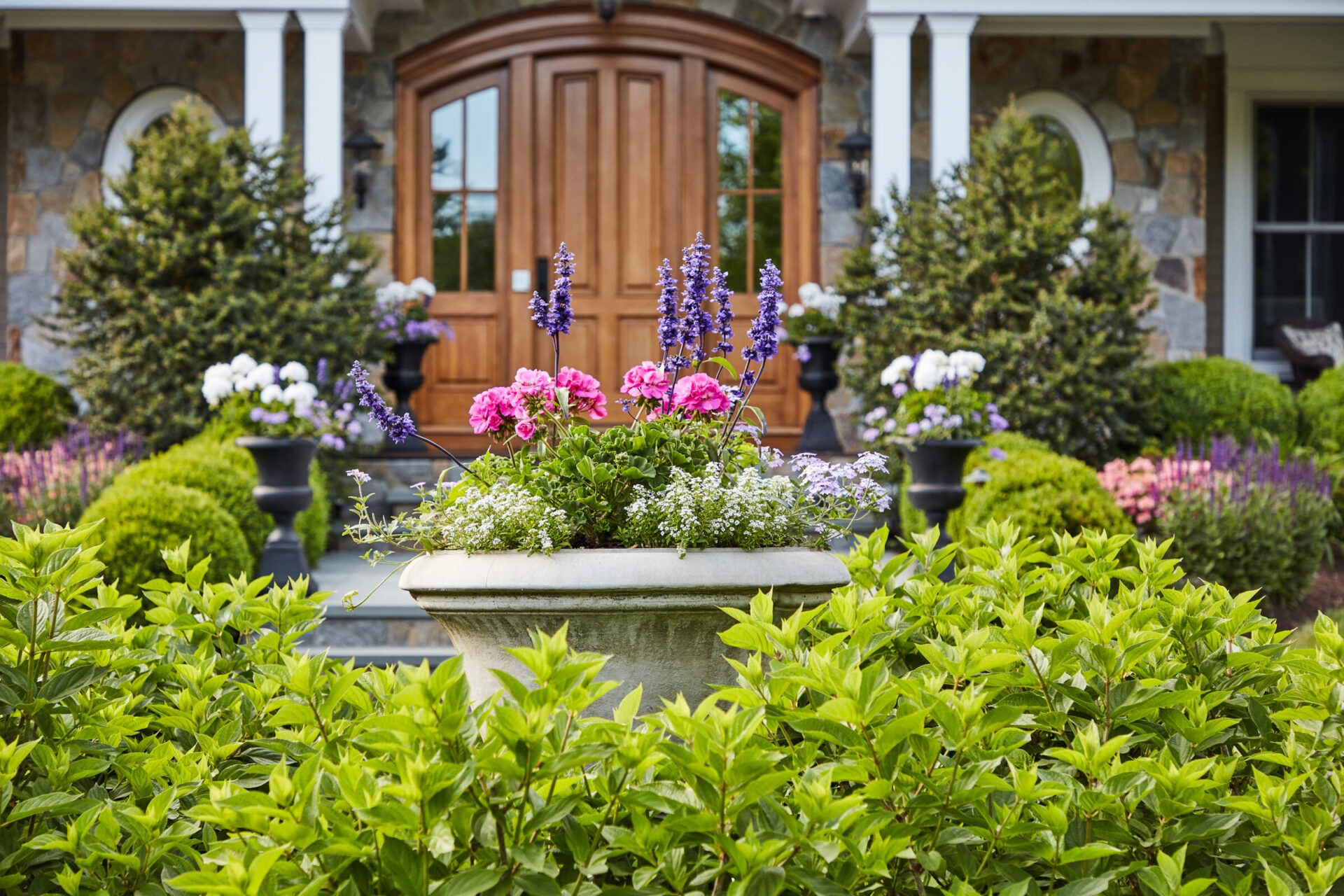
A high-end landscape should feel dimensional, not flat. Layered planting is one of the softscaping elements in landscaping that instantly improves how your property reads from the street and from inside your home.
Layering means you’re using plants in tiers, such as:
- Low groundcovers or edging plants
- Mid-height perennials and ornamental grasses
- Structural shrubs
- Small trees or privacy plantings
Layering isn’t just for looks. It also keeps beds more organized and easier to maintain, so your planting feels structured instead of messy. It prevents the “random patch” effect and helps your landscape match the level of your patios, lighting, and other outdoor features. With professional softscaping design, planting guides movement, protects key views, and adds structure without clutter.
Spacing That Anticipates Growth
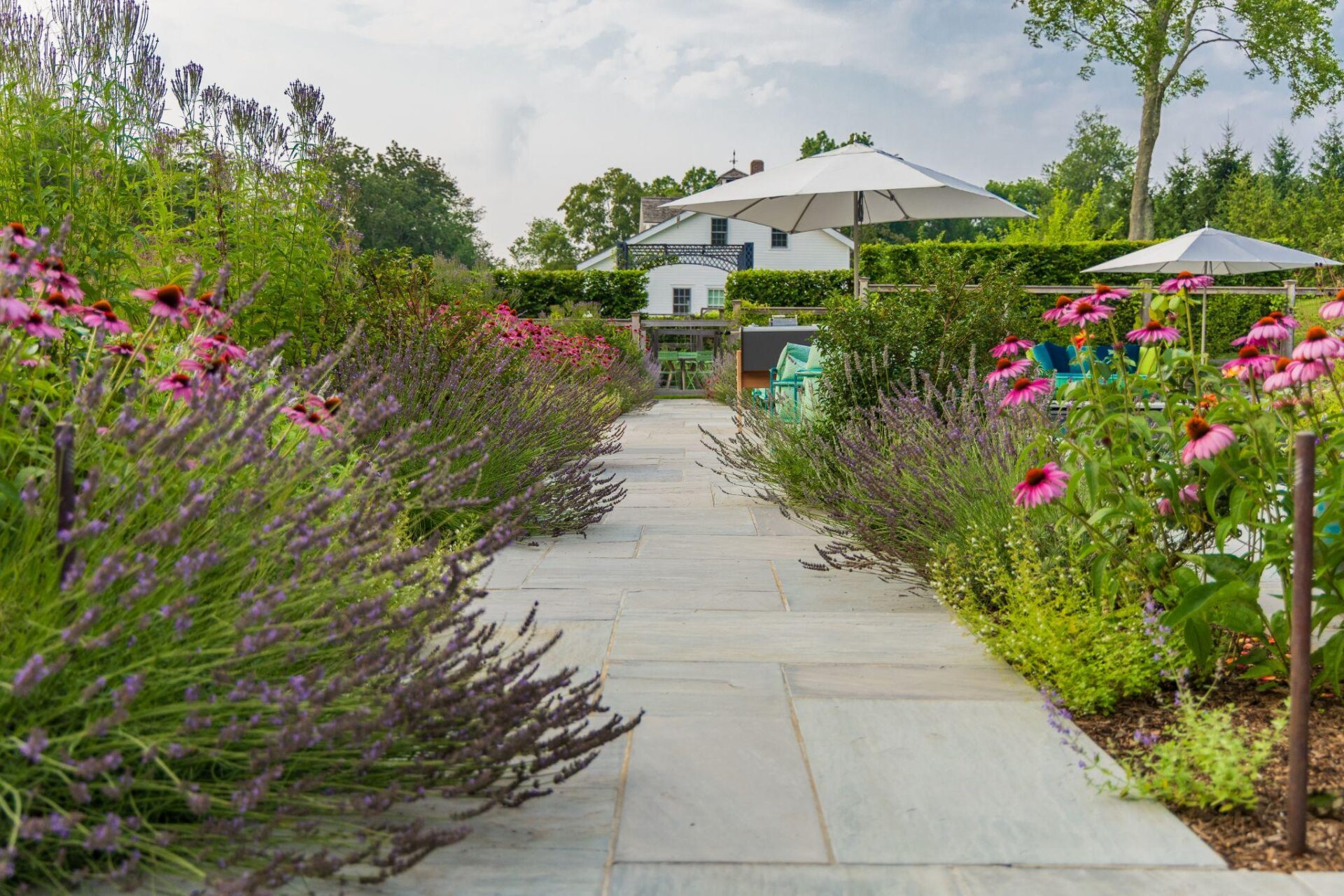
One of the biggest reasons high-end landscapes become high-maintenance is poor spacing. Plants get installed too close together for instant fullness, then start competing for light and space within a year or two.
Good spacing is one of the most practical softscaping elements in landscaping. It helps your beds stay clean, your plants stay healthy, and your pruning needs stay reasonable.
Here’s what proper spacing protects you from:
- Shrubs swallowing walkways or stepping stones
- Plants rubbing against siding or fences
- Overcrowding that increases disease risk
- Constant trimming just to keep beds usable
- Misshapen growth from competition
The goal is not to leave beds looking empty. The goal is to plan for mature size while using groundcovers, mulch, and layered planting to keep everything looking complete.
This is also where landscaping plant layout planning matters. When spacing is handled correctly, your landscape grows into its design instead of growing out of control. Over time, you get a cleaner look with fewer interventions, and your softscaping elements hold their lines and intent.
Seasonal Interest Without Constant Adjustments
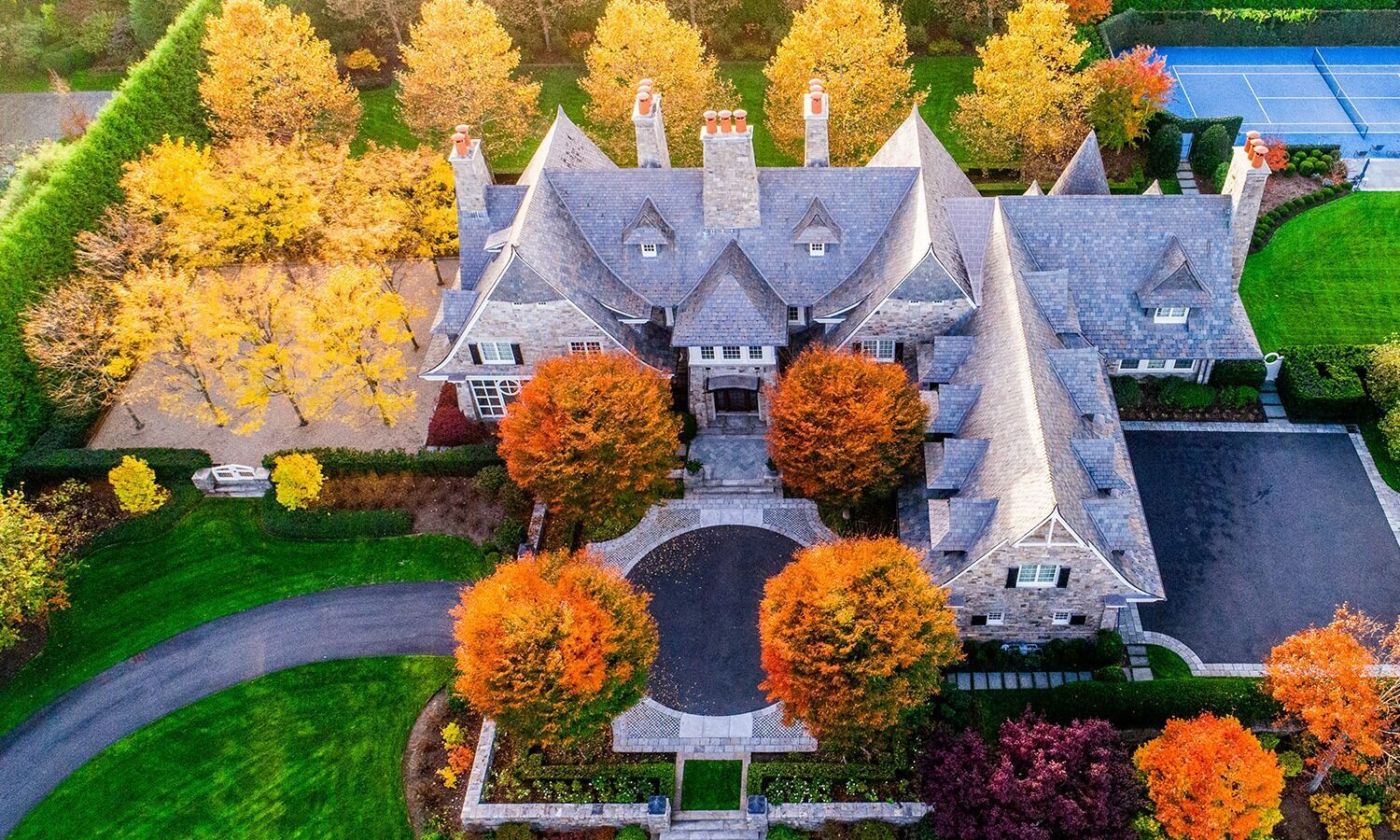
You want your landscape to look great across the year, not just in one perfect season. But seasonal interest shouldn’t mean constant replanting, swapping, or chasing short-lived blooms.
The right softscaping elements create a calendar of interest with less effort. That often means mixing:
- Evergreen structure for winter presence
- Flowering shrubs for spring impact
- Perennials that return reliably
- Summer color that doesn’t collapse in heat
- Fall tones and textures that carry late-season appeal
Instead of using plants that need constant replacing, you’re building a landscape that stays consistent and reliable. Repeating the same plant groups throughout the property also keeps seasonal changes looking intentional, not random. With the right softscaping elements in landscaping, your beds stay presentable through busy weeks, travel, and shifting weather, without constant updates.
Turf And Bed Relationships That Stay Defined
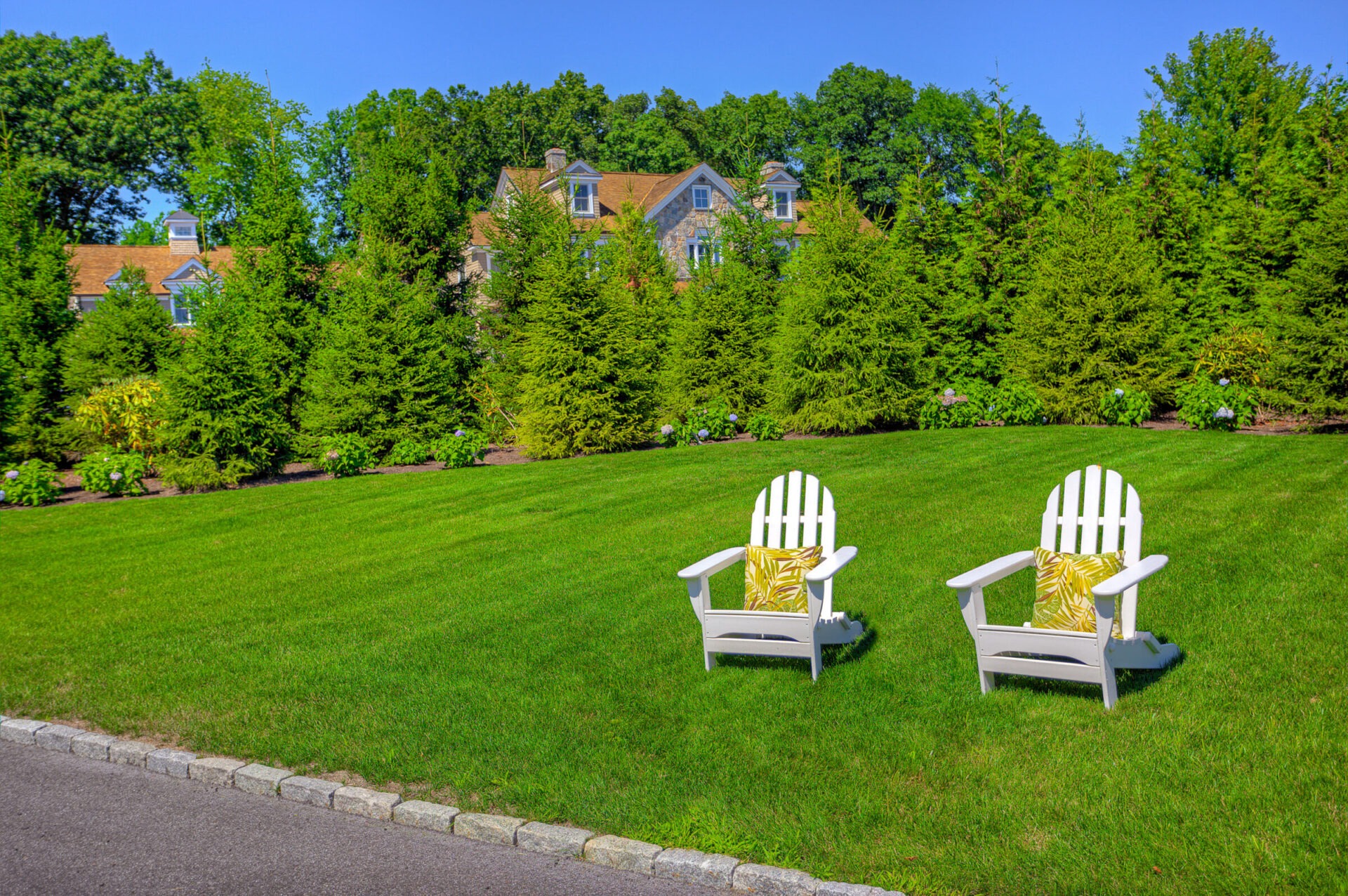
In sophisticated landscapes, the line between turf and beds matters. Crisp edges make the whole property look sharper, even when nothing is blooming. This is one of the softscaping elements in landscaping that’s easy to overlook, but it has a huge visual payoff. When turf creeps into beds or mulch spills into grass, the space starts looking messy fast.
Defined turf and bed relationships are supported by:
- Consistent edging lines
- Proper bed depth
- Mulch management that stays contained
- Plants placed with room for clean trimming
- Borders that match the style of the home
The best landscapes are easy to read. You can clearly see where lawn ends and planting begins, which makes mowing and seasonal cleanups simpler. Clean bed edges also protect your planting investment. Plants look anchored and intentional, not lost in the turf. When turf and beds stay defined, your property looks maintained between service visits, one of the most valuable softscaping elements in landscaping for busy homeowners.
Planting That Frames Hardscape Features
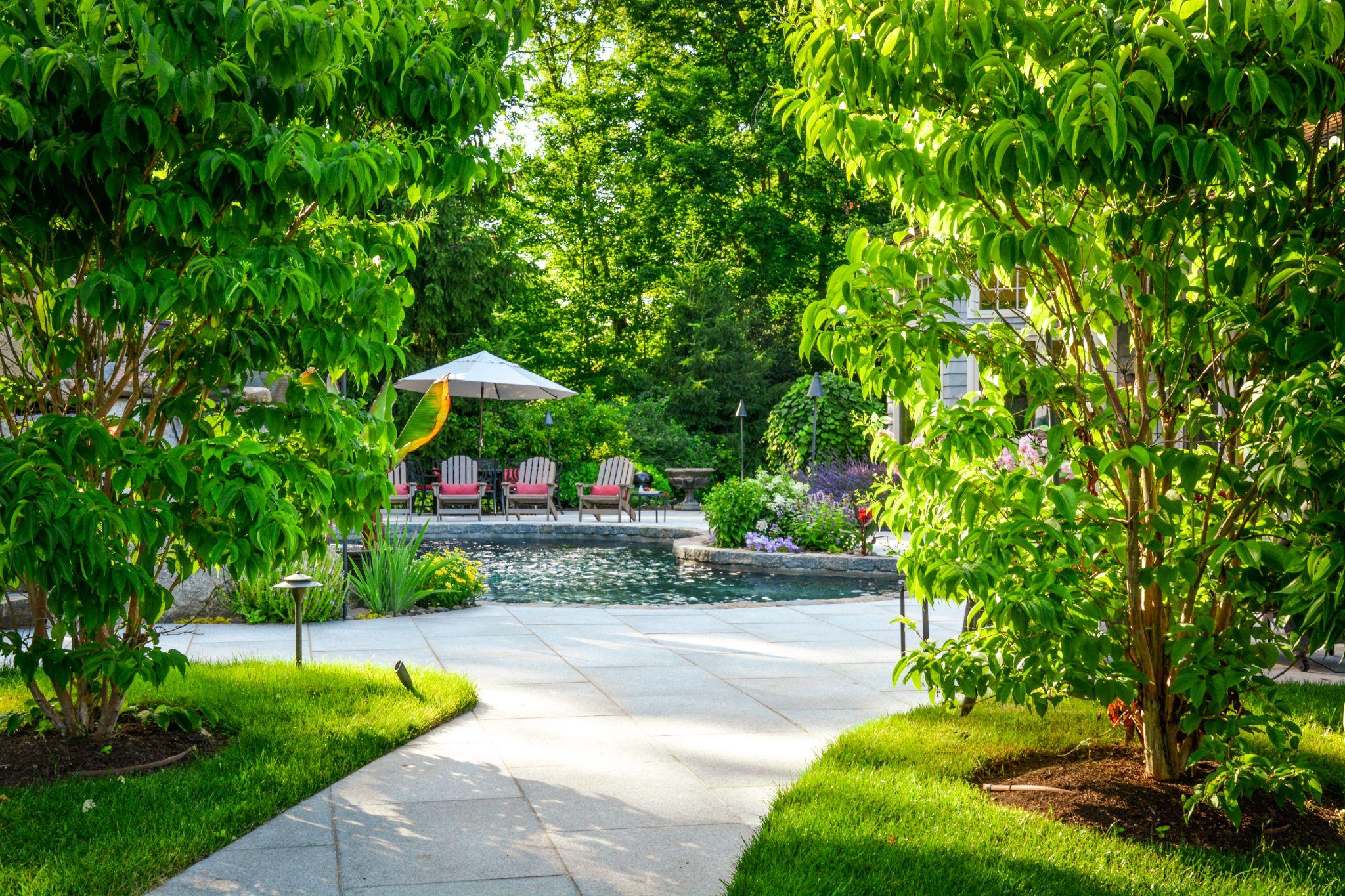
If your property includes premium hardscape, planting should support it, not hide it. Great softscaping elements in landscaping act like framing in a well-designed interior. They guide the eye, soften transitions, and highlight the parts you paid to build. Examples of features that benefit from framing include:
- Stone steps and walkways
- Retaining walls
- Patios and terraces
- Pools and water features
- Outdoor kitchens and seating areas
- Sport courts and specialty zones
Framing isn’t about overplanting. It’s about placing the right plant groupings to highlight your hardscape and support clean lines. That’s where integrated landscaping design matters. When plants and built features are planned together, you avoid blocked views, awkward gaps, and cluttered edges. With the right softscaping elements in landscaping, your hardscape stays the focal point, and your planting adds balance and polish.
Design Decisions That Reduce Future Issues
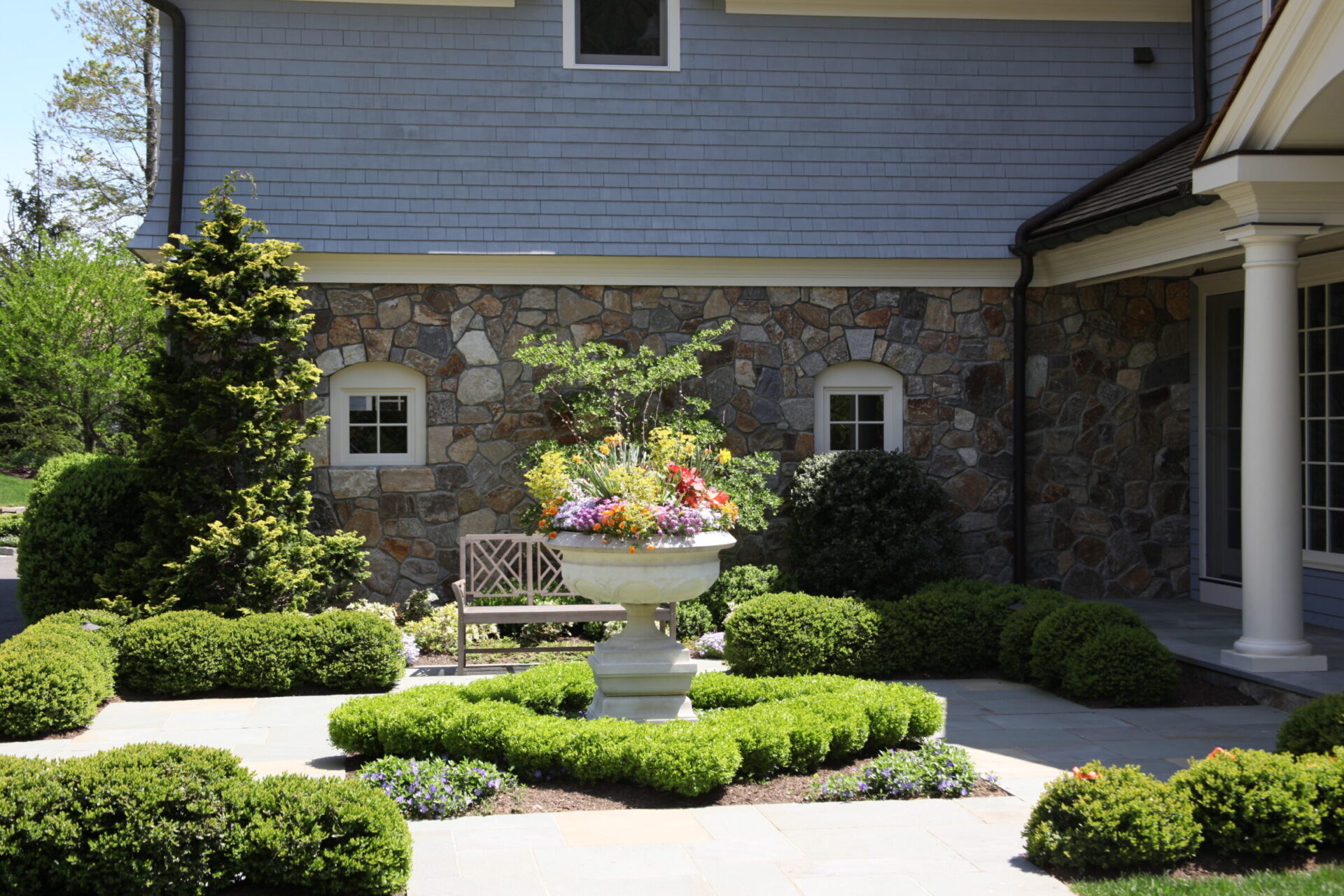
High-end landscaping should feel smooth to own. That means planning for problems before they show up. This is where long-term planting strategies come into play. It’s not only about what looks good today. It’s about what stays manageable for years. This is also why planting design and ongoing care need to work together from day one. For a deeper breakdown, read Why Planting Design and Landscaping Maintenance Must Align.
Smart design decisions include:
- Keeping plants away from downspouts and drainage exits.
- Avoiding plants that drop messy fruit or constant debris near patios.
- Choosing varieties that don’t split, flop, or sprawl into walkways.
- Using plant groupings that are easier to maintain as a unit.
- Planning access points for maintenance without stepping through beds.
When these decisions are made early, you avoid constant “fix-it” projects. Your landscape stays stable, and maintenance stays routine instead of reactive. This is the mindset behind Hoffman Landscapes’ Total Approach. Your softscaping elements in landscaping are planned and cared for year-round, so your property stays clean, healthy, and predictable without you having to chase details. We care about your results!
Maintenance-Aware Plant Placement
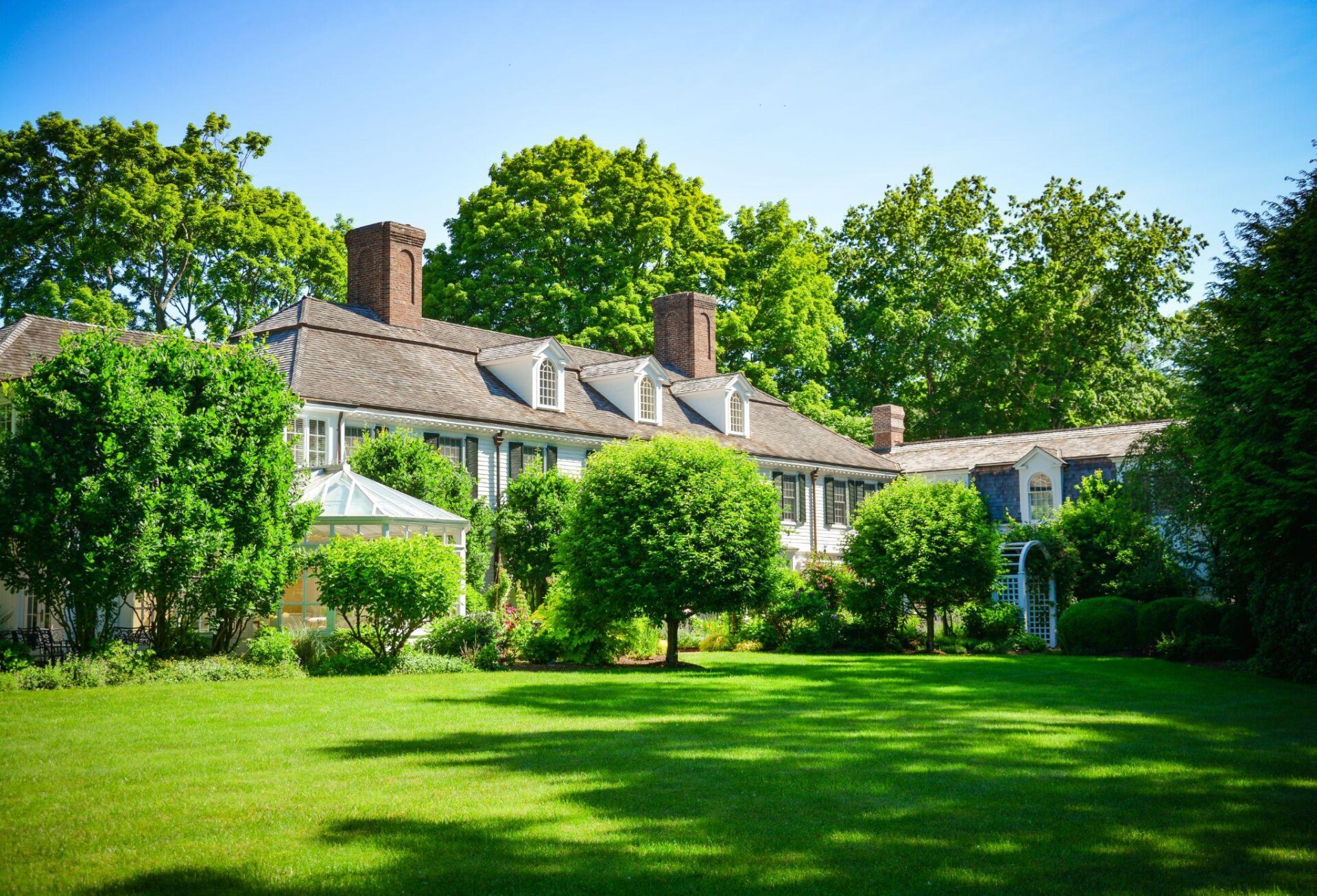
Plant placement is about more than sunlight and spacing. It’s also about how your landscape will be serviced, cleaned up, and kept looking sharp. Maintenance-aware placement is one of the most practical softscaping elements in landscaping, especially for homeowners who want a simpler, one-touch-point experience. Good placement helps you avoid:
- Plants blocking access to irrigation components.
- Tight corners that trap leaves and debris.
- Shrubs that force awkward trimming around lighting.
- High-shedding plants placed next to pools or sport surfaces.
- Plants that constantly spill into driveways or walkways.
A clean landscape isn’t just about plants. It’s about how your entire property functions. When placement is planned with maintenance in mind, service stays efficient and consistent. That’s where softscaping design planning matters most. Your landscape is designed to look polished after weekly care, not just on installation day. Clear communication and long-term accountability also matter. With a written warranty, long-term performance is part of the plan from the start.
Bringing It Together
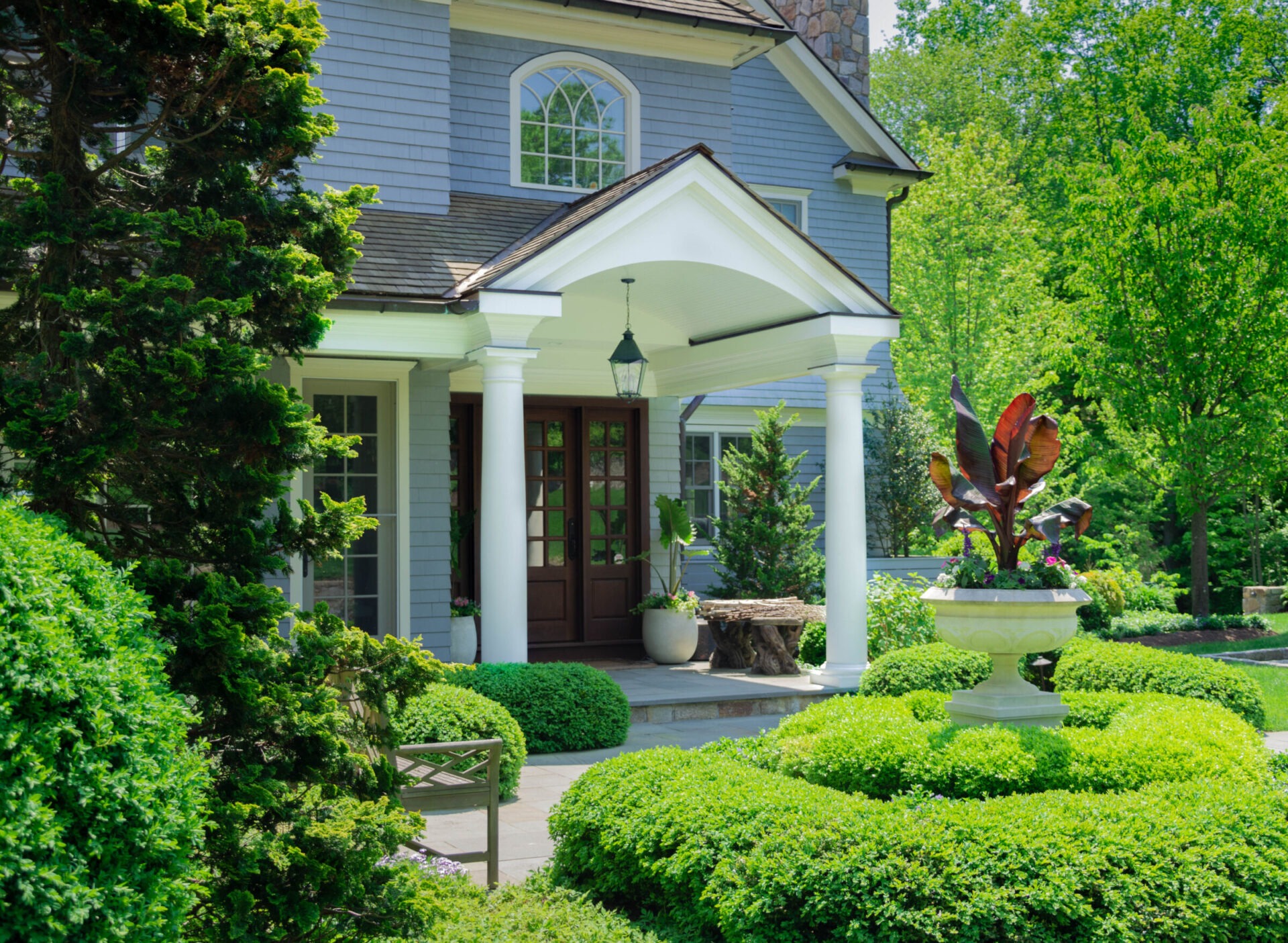
High-end landscapes don’t stay sharp by accident. The softscaping elements in landscaping that hold up over time come from smart plant selection, layered planting, spacing that anticipates growth, and seasonal interest that doesn’t require constant changes. When turf lines stay defined, plantings frame your hardscape properly, and placement is planned with upkeep in mind, your property stays clean, consistent, and easier to manage year-round.
If you’re ready for a simpler, fully managed approach to property care, we’re here to help. Request a quote to get started with a plan built for long-term results.
Summary
The best softscaping elements in landscaping help your property stay clean, structured, and easier to maintain over time. When your softscaping elements are planned for growth, seasonal interest, and long-term care, your softscaping elements support a landscape that looks consistent without constant changes.
Tags: