
Protecting Your Estate’s Landscape from Deer and Ticks in Fairfield & Westchester

High‑end estates in Connecticut and Westchester sit at the edge of woodlands and grassy areas, places where deer graze freely and ticks thrive. These properties often attract both blacklegged ticks (commonly known as deer ticks) and American dog ticks, which live in wooded areas and shady edges. As deer populations have rebounded over the past century, estate landscapes have become prime feeding grounds for herds that devour expensive plantings and carry ticks that can spread Lyme disease.
If you’ve ever returned home to find stripped foliage, chewed shrubs or worried about the health risks ticks pose to family members and guests, you understand how frustrating this problem can be. Deer can decimate ornamental gardens overnight, and ticks cluster near the edges of lawns, ready to hitch a ride on pets and people. Living with these pests means constant vigilance and can make caring for a beautiful estate feel like an endless battle.
Addressing deer and tick challenges on an estate requires more than a quick spray or a single product. It starts with understanding how these animals interact with your landscape and then applying a range of deterrents and landscape modifications.
This guide will walk you through practical strategies, such as plant selection, habitat modification, seasonal maintenance and professional partnerships, so you can build a tick control Connecticut approach that helps minimize browse damage and reduce tick populations.
How Can You Use Deer-Resistant Landscaping On Your Estate?

Severe deer browse has become common in suburban Connecticut. Deer browse an average of 5–15 pounds of vegetation per day, and suburban deer often prefer ornamental species over native plants. To meet this challenge, experts recommend five main strategies for reducing deer damage: herd control, psychological deterrents, repellents, physical barriers and plant selection.
Plant selection is the simplest starting point. While no species is completely immune, some plants are unpalatable to deer. Aromatic herbs, such as lavender or thyme, and ornamental grasses, along with many native perennials, make good choices. Survey data show that gardeners who experienced heavy browse damage stopped growing highly susceptible species, such as tulips or hostas. When planning a new bed, place the most deer‑resistant plants along the property edge to discourage browsing.
Barriers and landscape modifications also help. Even if fencing isn’t feasible everywhere, creating a three‑foot‑wide strip of wood chips, mulch, or gravel around the lawn edge can reduce tick migration into your grass. Clear leaf litter and brush along stone walls and driveways, prune trees to let sunlight reach the ground and restrict groundcover near high‑traffic areas. These simple changes make your estate less appealing to deer and less hospitable to ticks.
Hoffman Landscapes understands that high‑end properties need more than generic solutions. Our team uses the Hoffman Total Approach, a comprehensive plan that combines plant selection, structural barriers and seasonal maintenance to keep deer at bay. Clients receive a written lifetime warranty on installed plantings, providing peace of mind that their investment is protected and their landscaping is guaranteed for the long term. The firm’s transparent pricing menu allows you to see the cost of each option before committing, so you can choose only what your property needs. Strong communication means you always know what is happening on your estate, and national awards attest to the team’s craftsmanship.
Deer Repellent For Gardeners: Protecting Ornamental Gardens?

Repellents add another layer of protection. Deer are clever animals, so you need to vary your deterrents to keep them on their toes. When used properly, repellents can reduce browsing, but no product will make plants completely immune to pests. Results vary by species and deer density, and repellents are most effective when used in conjunction with strategic plant choices and landscape modifications.
Below are a few guidelines to help you choose and apply repellents effectively:
- Contact sprays, such as egg- or garlic-based formulas, are applied directly to leaves and deter deer from feeding.
- Area repellents create an unpleasant scent around your garden to discourage browsing without coating every plant.
- Rotate between different products every few weeks so deer do not become accustomed to a single scent.
- Follow manufacturer instructions carefully and avoid spraying near edible crops unless the product is labeled for that use.
- Reapply after rain or irrigation to maintain coverage.
On large properties, do‑it‑yourself sprays often fall short. You can take advantage of professional‑grade repellents and integrated schedules. Through tick control Connecticut programs, you receive regular treatments timed to coincide with deer feeding patterns and seasonal tick activity. Because these programs align with your broader maintenance schedule, applications happen when deer pressure is highest and ticks are most active. Clear communication ensures you are aware of each application and its associated costs. With a written lifetime warranty on plantings and a nationally recognized team managing the details, you can enjoy your gardens without constant worry.
What Strategies For Tick Control In Connecticut Work For High‑End Estates?
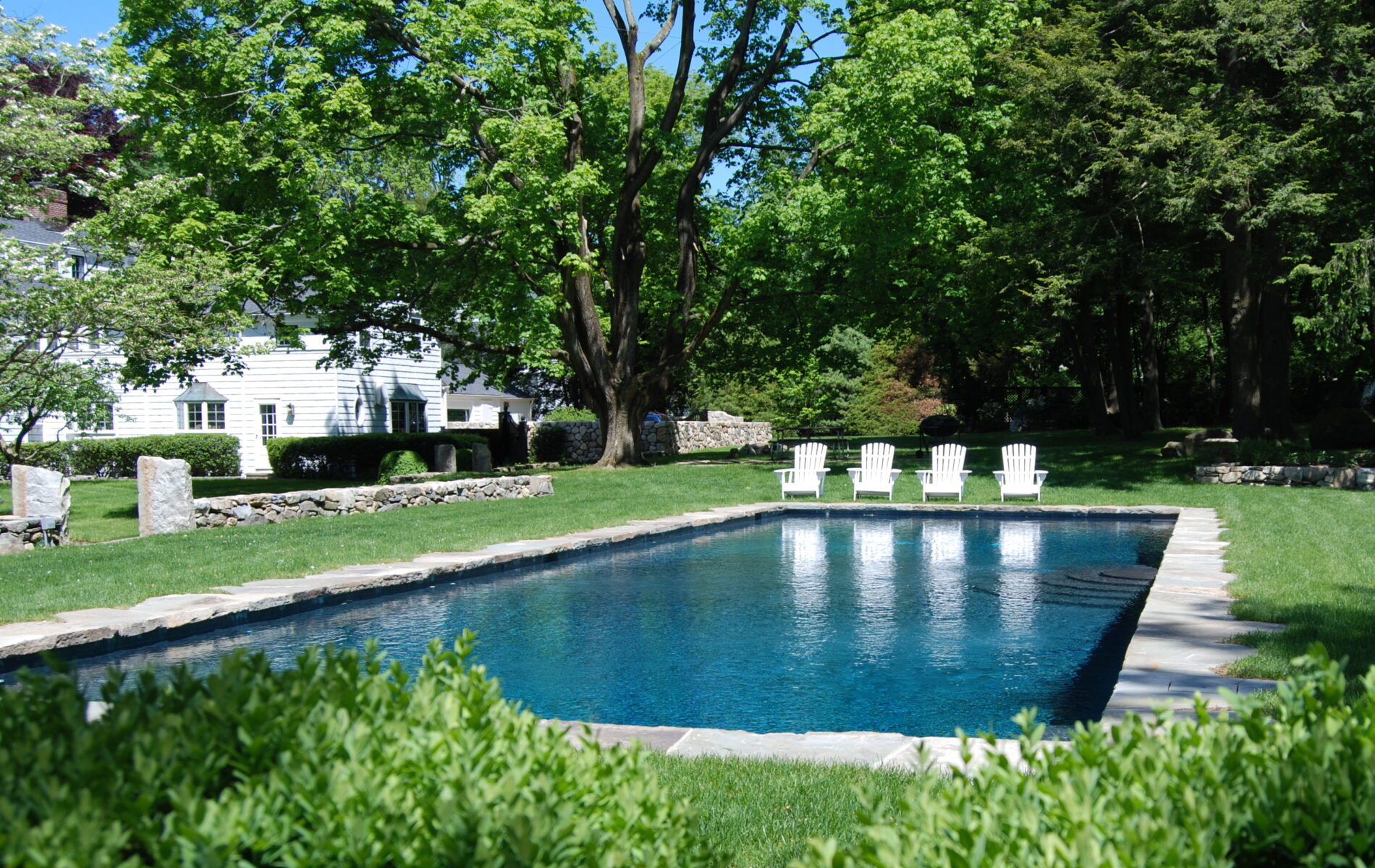
Ticks thrive at the edges of lawns and quickly migrate into high‑use areas if left unchecked. To protect your property, adopt a layered approach that combines habitat modification, regular maintenance and targeted treatments.
Habitat Modification
Your first line of defense is to make the environment less hospitable to ticks. Increase sunlight in shady areas, reduce tick habitat and discourage rodent hosts. Create a wood‑chip or gravel barrier between wooded areas and your lawn to slow migration, and remove leaf litter at the lawn perimeter to cut down on nymph numbers. Replacing dense groundcovers with gravel paths, decking, or stone patios around high‑use areas further reduces hiding spots.
Regular Maintenance
Consistent upkeep keeps tick populations in check. Keep grass mowed and prune trees to allow sunlight to reach the soil. Move play sets and seating areas away from woodland edges, and clean up stone walls and woodpiles to eliminate rodent shelters. Reduce Japanese barberry cover because this invasive shrub creates ideal habitat for ticks and rodents and consider mechanical removal. Plant deer‑resistant species along property edges so deer are less likely to linger and drop ticks in your yard.
Chemical Control & Professional Guidance
When habitat modification and maintenance are insufficient, targeted acaricide applications can provide additional support. Pesticides that kill ticks may be applied to lawns and woodland edges. Timing matters: mid-May to early June is the optimum time to target nymphal deer ticks, while a fall application can address adults if no spring treatment was made.
Many products are restricted to licensed applicators, so working with a professional ensures proper product selection, safe handling and compliance with regulations. Specialists evaluate your land, identify high‑risk zones and recommend treatments that fit your broader maintenance schedule. Because all services, from design to construction to maintenance, are managed in-house, scheduling is streamlined and disruptions are minimized.
Clear communication ensures you are informed about when and where treatments will occur, and a written lifetime warranty on plantings underscores the company’s commitment to reliable results.
How Do You Balance Wildlife With Seasonal Estate Care?
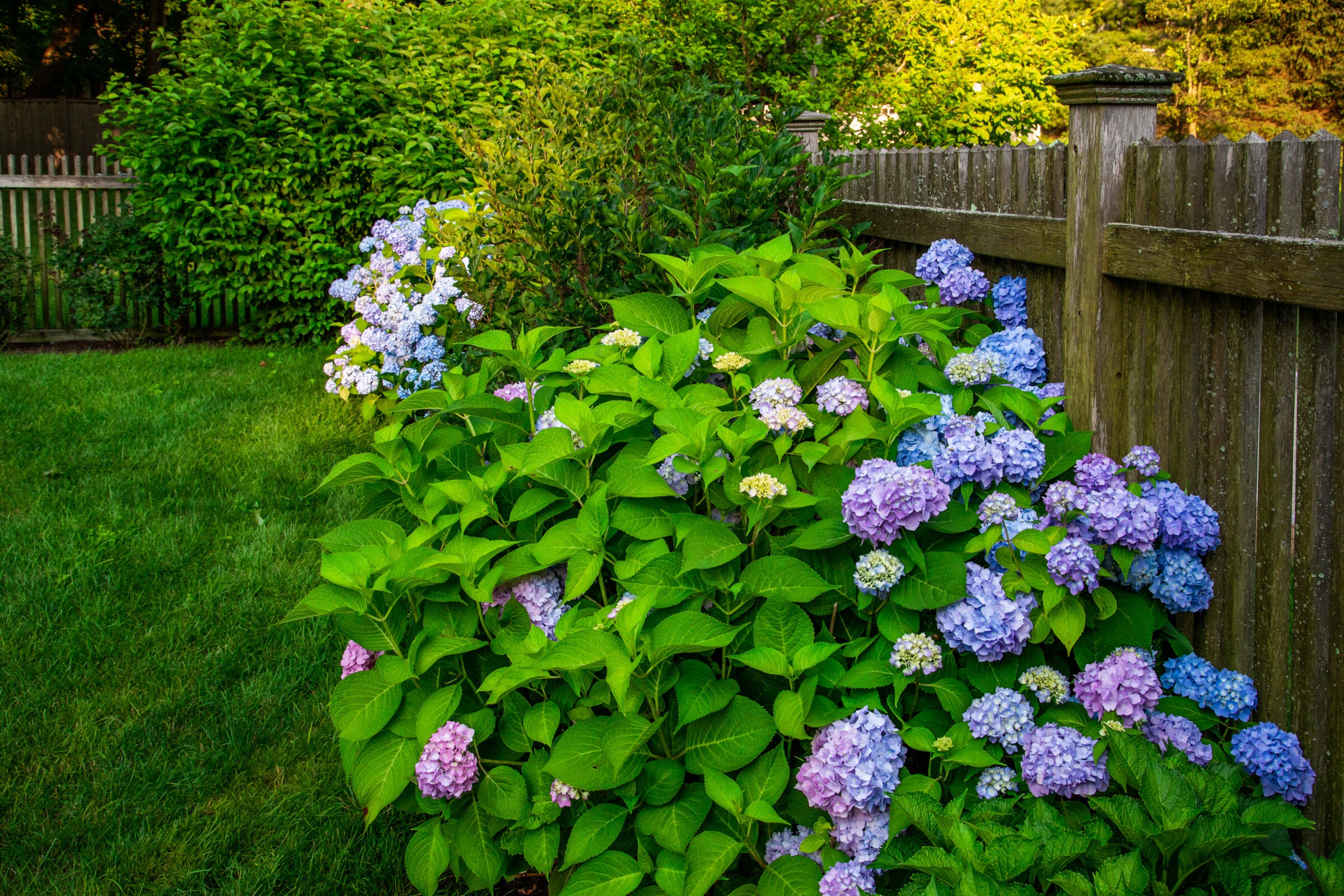
Large estates naturally attract wildlife, including deer, birds, and small mammals. These animals add life and beauty, yet they can damage plants and spread ticks. Balancing wildlife enjoyment with property protection requires a thoughtful and strategic approach. In areas with high deer populations, choosing deer‑resistant perennials, ornamental grasses and aromatic herbs limits browse damage. Clearing underbrush and installing gravel barriers helps keep tick populations low without disrupting the surrounding ecosystem. When your property features water elements, consider collaborating with property maintenance professionals to balance native plantings with effective erosion control measures.
Seasonality also plays a role. Ticks are most active in late spring and summer, while deer pressure often increases in late winter and early spring when food is scarce. Adjust your maintenance calendar accordingly: plan acaricidal applications in mid‑May, schedule fence inspections and deer‑repellent sprays in late winter, and clear leaf litter before nymphs emerge in early spring. During fall, aerate and fertilize lawns to support deep root growth and prepare for winter stresses.
Hoffman’s Total Approach ensures that these seasonal tasks fit into a cohesive program. Their teams monitor your property throughout the year, pivoting resources based on weather and wildlife activity. Since all services from mowing to plant healthcare are coordinated in one place, you save time and avoid the confusion of juggling multiple contractors. The result is a landscape that looks cared for in every season and a tick population kept in check by design.
Why Should You Choose The Right Partner For Estate Property Care?

Managing deer and ticks on an estate is not a one‑time project, it’s an ongoing commitment. At Hoffman Landscapes, we believe choosing the right landscaping partner is essential. Investing in high‑end outdoor living means working with a company known for thoughtful design, trusted craftsmanship and exceptional service. We encourage you to review portfolios to see the range and quality of a firm’s work and to confirm that they offer a full‑service approach covering design, construction and maintenance.
Ask about design expertise and ensure your partner employs licensed landscape architects. Effective communication is another key factor; you should receive detailed timelines, transparent estimates and regular updates. Long‑term value matters too. Look for companies that stand behind their work with comprehensive maintenance and seasonal enhancements and that hold industry credentials and recognition.
At Hoffman Landscapes, we check all these boxes. Our nationally award‑winning team has decades of experience caring for luxury estates in Connecticut and Westchester. The Hoffman Total Approach means you get an integrated plan that encompasses design, construction, and maintenance under one roof. You see a clear list of services and prices up front, so you never feel pressured into extras. Because we run every aspect of your landscape, our crews can adjust quickly when deer pressure spikes or ticks are particularly active. Extensive communication, via a client portal and regular updates, keeps you informed at every step.
Finally, a written lifetime warranty on plant installations demonstrates our confidence in our work and provides you with long-term protection. Choosing a dependable partner ensures that tick control Connecticut and deer management remain effective for years to come. When you’re ready to enjoy a healthier estate and reduce pest problems, request a consultation and let us show you the difference.
How Can You Bring It All Together?
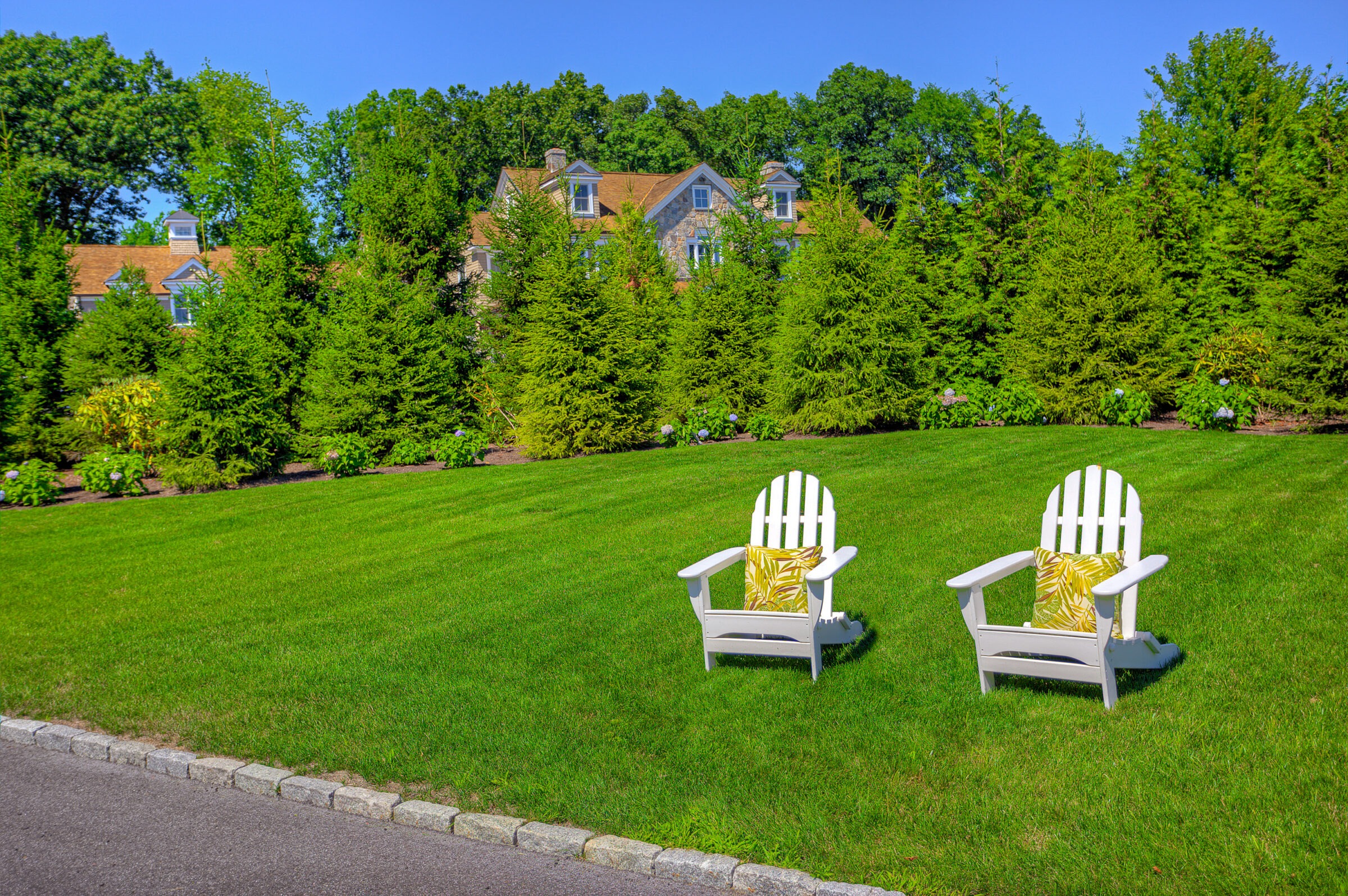
Deer and ticks will always be part of life in the Northeast, but they don’t have to rule your estate. With careful plant selection, thoughtful barriers, strategic repellents and consistent maintenance, you can reduce browsing damage and lower tick populations. Create a tick-safe zone by mowing grass, pruning trees and installing wood‑chip barriers. Choose deer‑resistant plantings and place them along property edges. Time your repellents and acaricide treatments according to the life cycles of deer and ticks, and adjust your plan accordingly, taking into account seasonal changes.
A professional partner brings expertise and efficiency to these tasks. Hoffman Landscapes’ comprehensive approach delivers consistent results with minimal stress. Our nationally recognized team, clear communication and written lifetime warranty set them apart. Most importantly, you gain back time and peace of mind. When you’re ready to protect your estate from deer and ticks and elevate its beauty, request a consultation and see how a custom tick control Connecticut plan can work for you.
Summary
Ticks and deer pose unique challenges to estate owners in Connecticut and Westchester. This blog outlines practical steps for managing these pests using tick control Connecticut strategies, as well as recommendations for selecting deer-resistant plants and implementing barriers. It explains why tick populations cluster along the lawn edge, how wood‑chip barriers and landscape modifications can reduce tick migration, and why plant choices and repellents are important. The post also emphasizes that deer serve as hosts for ticks and that most Connecticut gardeners experience damage from browsing. By integrating wildlife balance with seasonal care and selecting a reputable partner, such as Hoffman Landscapes, renowned for its clear communication, comprehensive expertise, and a written lifetime warranty, you can enjoy healthier gardens and safer outdoor spaces. To see how these strategies can be customized for your property, request a consultation and let Hoffman Landscapes help you achieve a tick‑free and deer‑resistant estate.